Gum Recession Treatment in Scottsdale
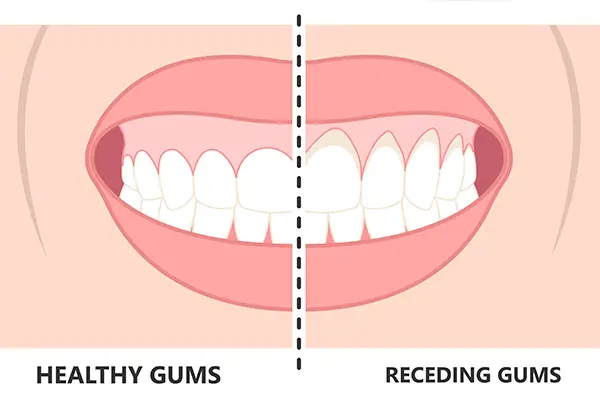 If you’ve noticed your teeth looking longer or feeling more sensitive at the gumline, gum recession treatment at GOREgeous Smiles in Scottsdale, AZ starts with figuring out exactly why your gums are receding before we treat anything. Recession can come from a single cause or a stack of them, and the right plan depends on which one is driving the change. If you’ve noticed your teeth looking longer or feeling more sensitive at the gumline, gum recession treatment at GOREgeous Smiles in Scottsdale, AZ starts with figuring out exactly why your gums are receding before we treat anything. Recession can come from a single cause or a stack of them, and the right plan depends on which one is driving the change.
Gum recession is the gradual loss of gum tissue around your teeth. It exposes root surfaces the gum used to cover, which makes teeth look longer, creates sensitivity, and raises decay risk in the newly exposed areas. Recession is a separate issue from active gum disease, even though gum disease can cause it. Many patients have receding gums without any infection at all, which changes how the case is managed.
Recession is typically slow and progressive, so the earlier we catch it, the more options you have. Our preventive dentistry approach is to look for it during routine exams, identify what’s actually causing the change (brushing technique, bite forces, thin tissue, gum disease, or some combination), and put a plan in place to keep it from getting worse.
On This Page
What Is Gum Recession Treatment?
Gum recession treatment isn’t one procedure. It’s a coordinated plan that depends on what’s causing the recession, how far it has progressed, and whether we need to address other issues alongside it. Most cases at our office involve identifying the cause, slowing or stopping further loss, and managing the consequences of the tissue that’s already gone.
What Causes Gums to Recede
The most common cause we see isn’t infection. It’s aggressive brushing – hard bristles, heavy pressure, and a horizontal scrubbing motion that wears the gum tissue down at the gumline over years. Other contributors include advanced gum disease, a thin gum biotype (often genetic), orthodontic movement that pushes teeth past the natural bony envelope, lip and tongue piercings that abrade adjacent tissue, nighttime grinding and clenching that transmits force to the gum margin, and smoking. A single patient often has two or three of these working together.
Signs of Gum Recession to Watch For
Early recession is easy to miss. Teeth look slightly longer than they used to. The gumline may feel like it has a small notch where it meets the tooth. You may notice sharp tooth sensitivity at the gumline when you drink something cold or eat something acidic. Plaque tends to build up faster in the newly exposed areas because root surfaces are softer and rougher than enamel. As recession progresses, root surfaces become visibly yellower than the rest of the tooth.
Recession With Active Gum Disease vs. Without
The most important question we answer at the consultation is whether your gums are currently infected. Active periodontitis is treatable with deep teeth cleaning and ongoing periodontal care, and stopping the infection halts the recession it causes. Recession in patients without active gum disease is mechanical or anatomical, and the management is different: we focus on changing brushing technique, addressing bite forces, and protecting the tissue that’s still there. Treating the wrong cause is wasted effort, which is why diagnosis comes first.
What We Treat In-Office and What We Refer
We diagnose recession, identify the cause, manage early and moderate cases conservatively, and address the consequences of recession (sensitivity, root decay risk, cosmetic concerns). For exposed roots that affect appearance, composite dental bonding can sometimes mask the discolored root surface and reduce sensitivity. For advanced recession that has progressed to the point where surgical correction is appropriate, gum grafting and pinhole technique are real options, but a periodontist typically performs them, and we coordinate the referral and the post-surgical follow-up. The goal is matching the right treatment to the right stage, which sometimes means in-house care and sometimes means working with a specialist.
Your Gum Recession Dentist in Scottsdale
Recession is a long-game diagnosis. Catching it early and tracking it over time is what keeps most cases out of advanced surgical territory. Dr. Rod W. Gore has practiced in Scottsdale for over 38 years, which means he has seen countless patients through decades of subtle gumline changes. He earned his Doctor of Dental Surgery from Northwestern University in 1987, and his comprehensive approach to oral health includes routine evaluation of gum architecture during exams, not just teeth.
The Gum Recession Treatment Process
 Treating recession well starts with diagnosing it correctly. Most cases at our Scottsdale office move through four steps before anything changes about your home care or treatment plan. Treating recession well starts with diagnosing it correctly. Most cases at our Scottsdale office move through four steps before anything changes about your home care or treatment plan.
Evaluation and Cause Identification
We measure the gumline at multiple sites per tooth, photograph affected areas for comparison at future visits, and check for active gum disease using probing depths and bleeding points. We also look at how you brush (we’ll often ask you to demonstrate), the wear patterns on your teeth, and signs of grinding or clenching. The goal is leaving the appointment with a specific cause, or specific causes, rather than a vague “your gums are receding” diagnosis.
Addressing the Cause
This is where most of the real work happens, and most of it is conservative. Aggressive brushers switch to a soft-bristled brush and a gentler technique (we’ll show you in the chair). Patients with active gum disease start a periodontal cleaning protocol. If grinding contributes, we fit you for a custom night guard. We counsel smokers on cessation as part of the long-term plan. None of these are dramatic interventions, but stopping the cause is the difference between recession that stabilizes and recession that keeps moving.
Managing the Consequences
Tissue that’s already gone usually doesn’t grow back without surgical intervention, but the day-to-day consequences are manageable. We treat sensitivity at the exposed gumline with desensitizing agents in-office and prescription-strength fluoride toothpaste at home. For roots that show as visibly yellow or notched, composite bonding can cover the exposed surface in cases where it makes cosmetic sense. We also tighten up your hygiene visits to make sure plaque doesn’t accumulate in the harder-to-clean root areas.
Monitoring and Follow-Up
Recession needs tracking, not a one-time fix. We compare measurements and photos at every cleaning visit so we can tell whether the recession has stabilized or is still progressing. If progression continues despite conservative care, that’s when we have the conversation about whether a periodontist consultation makes sense for surgical options.
Benefits of Treating Gum Recession Early
The most useful benefit of catching recession early is the option you keep open by not waiting. Brushing changes alone can usually stabilize mild recession that’s actively progressing, and the change costs nothing. Moderate recession often responds to a combination of technique changes, night guard therapy if grinding contributes, and treatment of any active gum disease. Once recession reaches the point where roots are deeply exposed and the bite is starting to shift, the conservative options shrink and the surgical options become more relevant.
Beyond stopping the progression, treating recession addresses the practical day-to-day issues it causes. Sensitivity at the gumline becomes manageable. Plaque control gets easier when you switch to a brush that does the work for you. For the right candidates, composite bonding can partially or fully address the cosmetic concern of teeth looking longer than they used to. And the increased risk of root decay drops significantly when we remove the cause of recession and you dial in home care.
There’s also a quieter benefit that’s easy to overlook: knowing why your gums receded in the first place. Patients who leave with a clear answer actually change the habits causing it, and that’s why their recession stops progressing. Generic advice doesn’t work for this. Specific cause-based advice does.
Why Choose Our Practice for Gum Recession Care
The biggest practical reason to choose us for managing recession is that we treat it as a long-term diagnosis rather than a one-time procedure. Many patients hear that their gums are receding but never hear why. Our exam-and-monitoring approach gives you a specific cause, a specific plan, and visit-by-visit data on whether the plan is working.
We also keep the management conservative whenever conservative is the right answer. Many recession cases don’t need anything more than a different brush, better technique, and consistent hygiene visits to stabilize. We’re not going to push surgical care on a case that doesn’t warrant it. When advanced recession does need surgical correction, we coordinate the periodontist referral and stay involved in the post-treatment follow-up so we don’t fragment your overall care.
What our patients say about working with us on gum care:
“I have been a patient of Dr Gore’s for a decade and what a difference a great dentist makes! My gums were in very bad condition but he set up a recovery plan to get them healthy. Shawna is by far the best dental hygienist I’ve ever been to and I wouldn’t let anyone else near me for my cleanings absolutely amazing with the best bedside manner ever (calms my nerves).”
– Tiffany C., Google review
“Dr. Rod Gore and every member of his team offer excellence in dental care. Each individual, and the team as a whole, are highly competent and caring. They are sensitive to your needs and really listen, providing a positive, nurturing experience that will promote rapid recovery and healing.”
– Susan R., Google review
“First visit to office. Wow! so impressed with the service and attention to detail. Dr.Gore was so kind and Shawna is the best dental hygienist! My teeth have never been cleaned this thoroughly.”
– B., Google review
More patient feedback on our dental reviews page.
Cost and Insurance for Gum Recession Treatment
The cost of treating recession depends almost entirely on what’s actually involved. Most early recession cases at our office cost nothing beyond a normal exam and cleaning visit, since the treatment is changing brushing technique and monitoring over time. Active gum disease adds the cost of periodontal cleaning. A custom night guard for grinding patients adds the lab cost of fabricating it. Composite bonding to cover exposed roots adds the bonding fee itself. Surgical referrals to a periodontist for grafting are billed separately by that office.
Most dental insurance covers diagnostic exams, periodontal cleaning when an active disease diagnosis is on file, and some restorative work like bonding. Our front office team verifies your benefits before treatment and lays out what your plan will and won’t cover. Our financial and insurance page lists the major plans we accept and outlines payment options.
For patients without insurance, our GOREgeous Membership Plan covers two cleanings a year, an exam, and a flat discount on additional treatment, which works well for the long-term monitoring recession requires. Call 480-585-6225 for a personalized estimate based on what your specific case actually involves.
Schedule Your Gum Recession Consultation
Catching recession early keeps the most treatment options open. Call GOREgeous Smiles at 480-585-6225 or use our Request an Appointment page to schedule. We’re located at 8535 E. Hartford Drive #208 in Scottsdale, AZ 85255-5438. You can also reach us through our Contact page with any questions before booking.
Frequently Asked Questions
Are receding gums a sign of gum disease?
Sometimes, but often not. The simplest way we tell is by checking for signs of active infection: bleeding when we probe the gumline, deep periodontal pockets, and inflammation around teeth. If those signs are absent, your recession is mechanical or anatomical, not infectious. If they are present, treating the infection becomes the priority and recession management follows. Either way, the diagnosis comes from probing measurements at your exam, not from how the gums look on the surface.
Can gum recession grow back on its own?
No, gum tissue that has already detached from a tooth doesn’t reattach on its own. The realistic goal of conservative care is stopping the recession from progressing, not reversing what has already happened. Surgical procedures like gum grafting can replace lost tissue, but that’s a referral to a periodontist for cases where it makes sense.
What kind of toothbrush should I use if my gums are receding?
An extra-soft or soft-bristled manual brush, or a powered brush with a pressure sensor that lights up if you push too hard. Medium and hard bristles are the most common cause of mechanical recession we see, and the damage compounds over years even when each individual brushing feels fine. Pressure matters as much as bristle type: hold the brush like you would hold a pencil, not a hammer. We will show you the technique in the chair so you can feel what right pressure feels like.
How fast does gum recession progress?
Most cases progress slowly, often a fraction of a millimeter per year, which is why patients don’t notice it until they have lost several millimeters of tissue and a tooth visibly looks longer than it used to. Recession driven by aggressive brushing tends to move faster than recession from a thin biotype alone. Active gum disease can drive faster loss, sometimes a full millimeter or more in a year. Without measurement-based monitoring at your visits, the progression rate is invisible until it’s significant.
Does gum recession always cause tooth sensitivity?
Not always. Some patients have visibly receded gums and feel nothing, while others have minor recession with significant sensitivity. The variable is whether the dentinal tubules in the exposed root surface are open or sealed. Open tubules transmit cold and acid to the tooth nerve, which causes the sharp sensitivity most patients describe. Desensitizing toothpaste, in-office fluoride applications, and bonding over the exposed root all work by blocking those tubules. If sensitivity is the part bothering you most, we can usually help with that even before addressing the underlying recession.
When does gum recession need surgery?
When recession reaches the point where it’s affecting the underlying bone, the tooth is becoming loose, or the cosmetic concern is severe enough that the patient wants tissue restored, surgical correction becomes a reasonable conversation. The two main procedures are connective tissue grafting (taking tissue from the palate and grafting it over the recession) and the pinhole technique (advancing existing tissue to cover the recession through small access points). A periodontist typically performs both, not a general dentist. We coordinate the referral when we’ve exhausted conservative management or when a specific case warrants it from the start.
What if only one tooth has recession?
Single-tooth recession often points to a localized cause: a piercing on the same side of the mouth, a tooth that was orthodontically moved past the bony envelope, an unusual bite contact pattern, or a one-sided brushing habit (some patients pull harder on one side without noticing). Multiple-tooth recession in the same arch typically points to systemic causes like brushing technique, biotype, or active gum disease. The pattern itself is diagnostic. We use it to narrow down which cause is driving your specific case before recommending changes. |