Deep Teeth Cleaning in Scottsdale, AZ
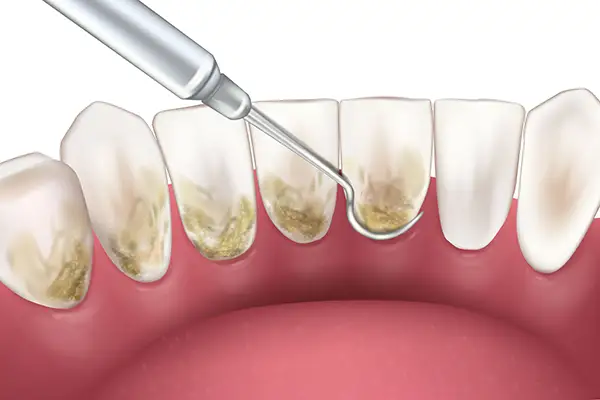 Deep teeth cleaning in Scottsdale, AZ – clinically called scaling and root planing – is the periodontal treatment we recommend at GOREgeous Smiles when gum disease has moved past what a regular cleaning can address. It’s a more thorough, deeper procedure that removes hardened tartar and bacterial deposits from below the gumline, then smooths the root surfaces so the gum tissue can reattach. For most patients with early-to-moderate gum disease, it’s a one-time intervention that resolves the problem before it gets worse. Deep teeth cleaning in Scottsdale, AZ – clinically called scaling and root planing – is the periodontal treatment we recommend at GOREgeous Smiles when gum disease has moved past what a regular cleaning can address. It’s a more thorough, deeper procedure that removes hardened tartar and bacterial deposits from below the gumline, then smooths the root surfaces so the gum tissue can reattach. For most patients with early-to-moderate gum disease, it’s a one-time intervention that resolves the problem before it gets worse.
This isn’t the same procedure as a routine cleaning. A regular cleaning, sometimes called a prophylaxis, polishes healthy teeth above the gumline. Deep cleaning is what we do when there’s bone loss showing on X-rays, deeper pocket depths measured at your exam, or visible signs of gum disease your hygienist can’t fully resolve at a six-month visit.
Gum disease is the leading cause of adult tooth loss in this country, and catching it at this stage – which is what scaling and root planing does – usually stops the problem from progressing. The procedure does involve some discomfort, but we fully numb the area first, and most patients are surprised by how manageable it feels in the chair. Deep cleaning is part of how we approach preventive dentistry at our office, where catching problems at the right stage matters more than treating them after they’ve worsened.
On This Page
What Is Deep Teeth Cleaning?
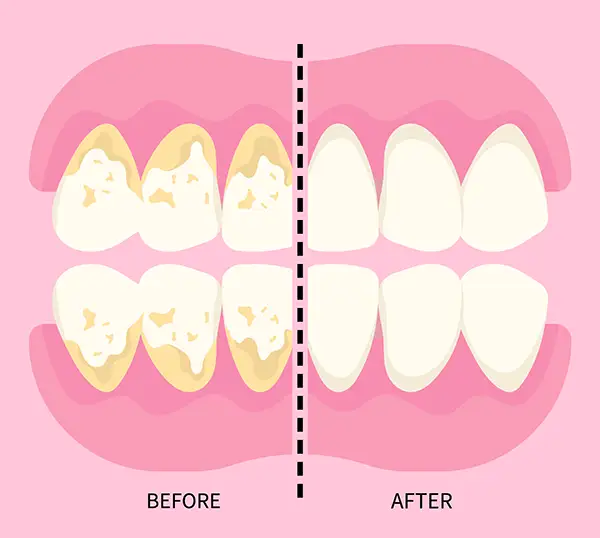 Deep teeth cleaning, also known as scaling and root planing, is a non-surgical periodontal treatment that targets the bacterial infection causing gum disease. The procedure removes hardened tartar and bacterial deposits from below the gumline, then smooths the root surfaces so your gum tissue can reattach to the tooth. It’s typically the first treatment we recommend when pocket depths reach 4 millimeters or deeper or when other early signs of gum disease are present. Deep teeth cleaning, also known as scaling and root planing, is a non-surgical periodontal treatment that targets the bacterial infection causing gum disease. The procedure removes hardened tartar and bacterial deposits from below the gumline, then smooths the root surfaces so your gum tissue can reattach to the tooth. It’s typically the first treatment we recommend when pocket depths reach 4 millimeters or deeper or when other early signs of gum disease are present.
How It Differs from a Regular Cleaning
A standard dental cleaning, sometimes called a prophylaxis, polishes healthy teeth above the gumline at your six-month visit. Deep cleaning goes further. It addresses the tartar and bacterial deposits that have collected under the gums and along the root surfaces – areas a regular cleaning can’t reach. The two procedures aren’t interchangeable, and trying to substitute one for the other usually means the gum disease keeps progressing while the surface looks fine.
When Deep Cleaning Is Recommended
The signs you might need scaling and root planing include gums that bleed when you brush or floss, persistent bad breath, gum tissue that looks red or swollen, gums that have started to pull away from the teeth, or an X-ray showing bone loss around the roots. Pocket depths measured during your dental exam are the most concrete tell. Healthy pockets measure 1 to 3 millimeters; anything 4 millimeters or deeper means bacteria are living somewhere your toothbrush and floss can’t reach.
What Actually Happens During the Procedure
We numb the area with local anesthetic before any instruments touch the gumline. Most patients find the discomfort manageable once they’re fully numb – closer to pressure than pain. We use ultrasonic instruments to break up hardened tartar with vibration, then hand instruments to scale individual root surfaces and smooth them so plaque has less to grip. We usually break the procedure into two appointments, typically one half of the mouth per visit, to keep each appointment manageable and to let the first half start healing while we work on the second.
How Cold Laser Treatment Fits In
For many patients, we incorporate cold laser dentistry (the MLS Multiwave Locked System we keep in-office) immediately after the scaling. The laser disinfects the periodontal pocket, reduces bacterial load, and tends to shorten the soreness window patients feel in the days afterward. It’s an optional addition we recommend often, and the difference in healing speed is real enough that we’d rather you knew about it going in.
Your Periodontal Care Team in Scottsdale
Dr. Rod W. Gore, DDS, leads periodontal diagnosis and treatment planning at our Scottsdale office. He has been practicing dentistry in this area for more than 38 years and has seen every stage of gum disease many times. His instinct on these cases is to pace treatment so patients get the conservative option whenever it’s a real option. He earned his Doctor of Dental Surgery from Northwestern University in 1987 and serves as an active AACD Examiner who evaluates other dentists pursuing peer-reviewed cosmetic accreditation. Full background on his bio page. The same eye for case planning he brings to cosmetic work shows up in periodontal cases – knowing when to do less.
Shawna, our lead registered dental hygienist, handles most deep cleaning appointments. She has been with our office since 2007 and is regularly mentioned by name in our patient reviews. Several of our long-term patients ask for her specifically when scheduling cleanings.
The Deep Teeth Cleaning Process
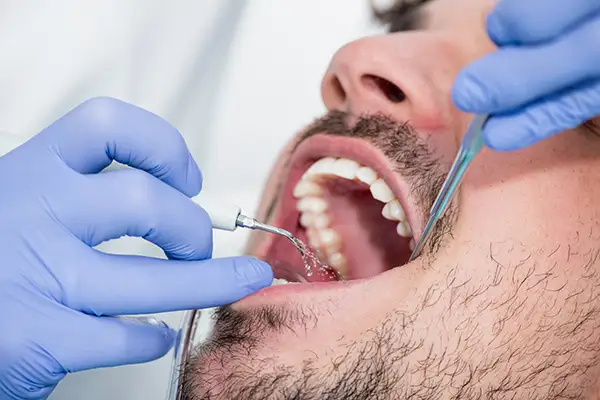 Each deep cleaning case at our Scottsdale office moves through a few visits, starting with measurement and ending in a maintenance schedule that keeps the gums stable. Each deep cleaning case at our Scottsdale office moves through a few visits, starting with measurement and ending in a maintenance schedule that keeps the gums stable.
Diagnosis and Pocket Measurement
Before we recommend deep cleaning, we measure pocket depths around every tooth during a thorough dental exam and review your X-rays for any bone loss. This data is what tells us whether scaling and root planing is the right next step or whether a regular cleaning is enough for now.
Numbing and the First Visit
We numb the area we’ll be working on with local anesthetic before starting. Most patients tell us the surprise of the day is how little they feel during the actual cleaning. We typically clean half of the mouth at the first visit, using ultrasonic and hand instruments to remove tartar and bacterial deposits below the gumline.
Cold Laser and Pocket Disinfection
After the scaling, we often follow with the MLS cold laser to disinfect the pocket and reduce bacterial load. Mild soreness afterward is normal – the gums have just been actively worked on. The laser tends to make the next 24 to 48 hours easier than they would otherwise be.
The Second Visit and Healing Check
A second appointment, usually a week or two later, addresses the other half of the mouth in the same way. We bring you back for a follow-up roughly 4 to 6 weeks after the second visit to remeasure pockets and confirm the gums are healing. For most patients, we transition from regular cleanings to periodontal maintenance every 3 months – the closer interval is what keeps the bacteria from rebuilding to the level that caused the problem in the first place.
Benefits of Treating Gum Disease Early
The most important benefit of timely deep cleaning is that it usually works. For early-to-moderate gum disease, scaling and root planing – combined with consistent home care and a 3-month maintenance interval – resolves the infection and stabilizes the bone you still have. Patients who go through it once and then stay on the maintenance cadence often never need anything more aggressive.
The other benefit is what it prevents. Untreated gum disease is the most common reason adults lose teeth, and by the time pockets deepen to the point where teeth start loosening, the conservative window has closed and the options narrow quickly to surgical treatment or extraction. Catching the problem at the deep cleaning stage keeps that conservative window open.
There are also benefits patients don’t always think about until afterward. Bleeding gums stop bleeding. Bad breath, when it’s been driven by bacteria below the gumline, often resolves once the pockets clean up. Tenderness when chewing eases. The day-to-day experience of having teeth gets quieter, in the way teeth are supposed to feel when nothing’s wrong.
Why Choose Our Office for Deep Cleaning
The piece that separates good periodontal care from average is the diagnosis. We measure every pocket, review the X-rays carefully, and walk you through what the numbers mean before we recommend treatment. That keeps patients out of unnecessary deep cleanings when a thorough regular cleaning is all they actually need – and it keeps patients who do need treatment from being undertreated.
The technology piece matters here too. Our office invested in the MLS cold laser specifically because the healing improvement after scaling is genuinely useful for patients. Not every periodontal practice has it. We also use intraoral cameras during the exam so you can see what we’re seeing, which makes the decision to move forward with treatment easier than just trusting numbers we read off a chart.
What our periodontal patients tell us:
"I have been a patient of Dr Gore’s for a decade and what a difference a great dentist makes! My gums were in very bad condition but he set up a recovery plan to get them healthy. Shawna is by far the best dental hygienist I’ve ever been to and I wouldn’t let anyone else near me for my cleanings absolutely amazing with the best bedside manner ever (calms my nerves). Thank you to everyone there! Lisa, you are always so helpful with our billing information and scheduling. You guys are truly the best of the best!"
– Tiffany C., Google review
"Shawna is the Best for having your teeth cleaned!!"
– Sherry T., Google review
"First visit to office. Wow! so impressed with the service and attention to detail. Looking for a new dentist in Scottsdale? Make an appointment you will not be disappointed. They care and communication is top notch. Dr.Gore was so kind and Shawna is the best dental hygienist! My teeth have never been cleaned this thoroughly. Thank you."
– B., Google review
For periodontal patients who stay on the 3-month maintenance schedule, gums tend to stay stable year over year.
Deep Teeth Cleaning Cost and Financing
The cost of a deep cleaning depends mostly on how many quadrants of your mouth need treatment and whether laser-assisted disinfection is included. We give you a clear written estimate after the diagnostic exam, before any treatment is scheduled, so you know exactly what’s being recommended and why.
Most dental insurance plans cover scaling and root planing as a periodontal service when supporting documentation (pocket charting and X-rays) shows it’s medically necessary. We currently accept Cigna among other major PPO plans, and we handle out-of-network claim filing for plans we’re not directly contracted with. Our financial and insurance page outlines accepted plans and payment options.
Our in-office GOREgeous Membership Plan is structured around preventive care, so deep cleaning isn’t included at the membership rate. The 20% discount on additional treatment that comes with the membership does apply, which can take the edge off for patients without dental insurance. Flexible third-party financing is also available. Call 480-585-6225 for a personalized estimate.
Schedule Your Deep Cleaning
Bleeding gums or flagged pocket depths usually mean deep cleaning is the conservative next step. Call GOREgeous Smiles at 480-585-6225 or use our Request an Appointment page to schedule. We’re located at 8535 E. Hartford Drive #208 in Scottsdale, AZ 85255-5438. You can also reach us through our Contact page with questions before booking.
Frequently Asked Questions
Does deep cleaning hurt?
Most patients find the procedure itself surprisingly comfortable once we’ve fully numbed the area – closer to feeling pressure than pain. The honest after-side: your gums will be tender for a day or two, especially when brushing or eating cold foods, and over-the-counter pain relievers handle the soreness for almost everyone. Patients who clench or grind sometimes feel a bit more jaw fatigue from holding their mouth open, which we work around with breaks during longer appointments.
How is deep cleaning different from a regular cleaning?
The shorthand is depth and intent. A regular cleaning polishes healthy teeth above the gumline as part of routine prevention. Deep cleaning treats existing infection below the gumline. The two procedures are billed differently, take different amounts of time, and require different documentation for insurance – meaning you can’t have one billed as the other, and most insurance plans review the pocket charting to confirm a deep cleaning was actually needed before paying their portion.
How many appointments will I need?
Most patients have the work split into two appointments, typically one to two weeks apart, with one half of the mouth completed at each visit. For more advanced cases or for patients who prefer shorter appointments, we sometimes break it into four visits, one quadrant at a time. The follow-up to remeasure pockets and confirm healing is usually scheduled 4 to 6 weeks after the last cleaning visit.
What does recovery look like after a deep cleaning?
Expect mild gum tenderness and slight sensitivity to hot or cold for a day or two. Light bleeding when brushing is normal for the first few days as the gums begin to heal – this is healing, not a problem. We recommend rinsing with warm salt water a few times a day and avoiding very hard or sharp foods (chips, popcorn, crusty bread) for about 48 hours. Most patients are fully back to normal within a week, often sooner when we’ve used the cold laser at the end of the appointment.
Will I always need 3-month maintenance after this?
For most patients, yes – at least for the first year or two. The 3-month interval keeps bacteria from rebuilding to the level that caused the original problem, and skipping it is the most common reason periodontal patients end up needing repeat deep cleanings. Some patients with stable gums and excellent home care can space the maintenance to 4 months after a year of clean checkups, but the decision is made off your actual pocket measurements at each visit, not on a generic timeline.
Can deep cleaning reverse gum disease?
Gingivitis – the earliest stage of gum disease – can usually be fully reversed by deep cleaning combined with consistent home care. Periodontitis, where bone loss has already occurred, can be stopped and stabilized, but the bone that’s already lost generally doesn’t come back without surgical treatment. The earlier you treat, the more is recoverable. That’s the practical reason we don’t suggest "wait and see" on bleeding gums or 5-millimeter pockets.
Does insurance cover deep cleaning?
Most dental insurance plans cover scaling and root planing as a periodontal service when the supporting documentation – pocket charting showing depths of 4 millimeters or deeper and X-rays showing bone loss – demonstrates medical necessity. Coverage is usually billed by quadrant, and most plans require the chart documentation submitted with the claim. Our front office handles the documentation and verification for you, and we always provide a written estimate before treatment so there are no surprises. |