Fluoride Treatment in Scottsdale, AZ
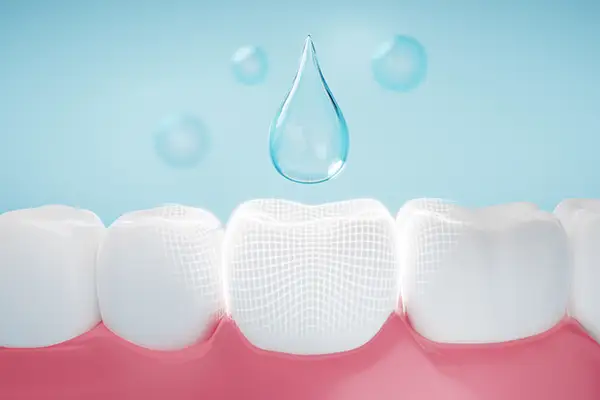 Professional fluoride treatment at GOREgeous Smiles in Scottsdale, AZ is a quick in-office application of high-concentration fluoride that strengthens enamel and reduces your cavity risk for months at a time. The treatment takes under a minute, painted on as a varnish, and most patients receive it during the same visit as a routine cleaning. Professional fluoride treatment at GOREgeous Smiles in Scottsdale, AZ is a quick in-office application of high-concentration fluoride that strengthens enamel and reduces your cavity risk for months at a time. The treatment takes under a minute, painted on as a varnish, and most patients receive it during the same visit as a routine cleaning.
The fluoride we use in the office is roughly 15 times stronger than what’s in your toothpaste at home, which is why one application protects teeth long after the appointment is over. That said, in-office fluoride isn’t something every adult needs every six months. The right cadence depends on your cavity risk, and we’ll walk through whether you fall into the group it makes a real difference for.
Fluoride treatment is one piece of broader preventive dentistry care, which also covers cleanings, exams, sealants, and oral cancer screening – all coordinated to catch problems early and keep treatment minimal.
On This Page
What Is Fluoride Treatment?
 Fluoride treatment is the in-office application of a high-concentration fluoride product to your teeth, most commonly as a varnish painted on after a cleaning. The varnish dries on contact, protects enamel for months, and takes seconds to apply. Fluoride treatment is the in-office application of a high-concentration fluoride product to your teeth, most commonly as a varnish painted on after a cleaning. The varnish dries on contact, protects enamel for months, and takes seconds to apply.
How Professional Fluoride Differs From Toothpaste
The fluoride in your toothpaste is somewhere around 1,000 to 1,500 parts per million, designed for daily use without harm if a small amount is swallowed. The fluoride varnish we use in the office is 5% sodium fluoride, which translates to about 22,600 parts per million – roughly 15 times stronger. That concentration is safe because the varnish stays put on the tooth surface and isn’t intended to be ingested. One in-office application has a different job than daily toothpaste does, and the two work together rather than replacing each other.
How Fluoride Strengthens Teeth
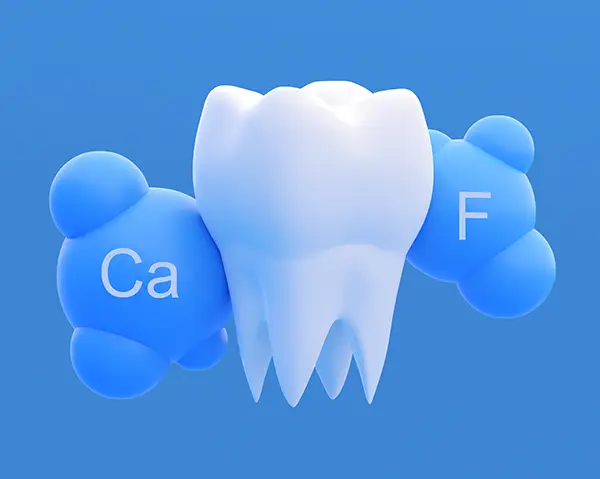
Tooth enamel is a crystal lattice made mostly of hydroxyapatite. When the bacteria in plaque produce acid after you eat sugar or refined carbs, that acid pulls calcium and phosphate out of the enamel surface in a process called demineralization. Fluoride changes the chemistry: when fluoride is present during remineralization, the rebuilt crystal incorporates fluoride and becomes fluorapatite, which is more acid-resistant than the original enamel. The varnish keeps fluoride concentrated on the tooth surface for hours after application, giving the remineralization process time to work.
Who Benefits From In-Office Fluoride
The honest answer is that not every adult needs in-office fluoride at every cleaning. Patients at low cavity risk – good home care, no recent decay, normal saliva flow – usually do well with fluoride toothpaste alone. The patients who get the most out of professional fluoride are the ones with elevated cavity risk: dry mouth from medications or medical conditions, exposed root surfaces from gum recession, a history of frequent cavities, orthodontic brackets that trap plaque, or a course of cancer treatment that affects oral health. Children typically benefit during the years their permanent teeth are still maturing, which is why pediatric fluoride is standard at our dentistry for kids appointments. We’ll determine your cavity risk during your dental exam and only recommend fluoride if it’s going to help.
Your Preventive Dentistry Team in Scottsdale
The decision about whether you need fluoride at any given visit comes from the dental exam, not the cleaning chair. That’s where your dentist looks at your decay history, your gums, your saliva flow, and any new soft spots on enamel, and decides whether your cavity risk is high enough that fluoride will pay back the time and cost. Both dentists at our practice handle this exam.
Dr. Rod W. Gore has been practicing dentistry in Scottsdale for over 38 years – full background on his bio page. He earned his Doctor of Dental Surgery from Northwestern University in 1987, and three-plus decades of seeing what works in long-term cavity prevention shapes how he decides which patients will see a clear benefit from professional fluoride.
What Happens During a Fluoride Treatment Appointment
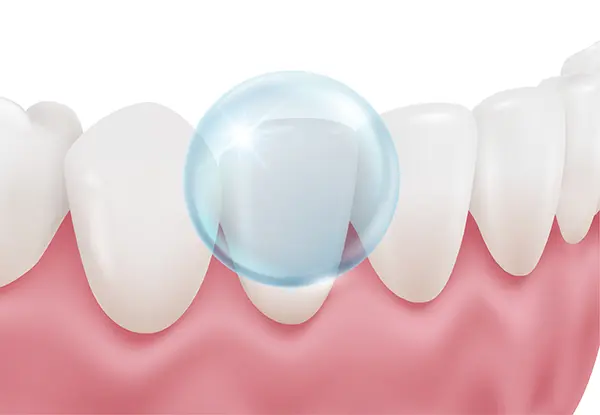 Fluoride treatment in our Scottsdale office is almost always paired with a routine dental cleaning rather than scheduled as a standalone visit. The varnish goes on at the very end of the appointment, and the whole application takes about a minute. Fluoride treatment in our Scottsdale office is almost always paired with a routine dental cleaning rather than scheduled as a standalone visit. The varnish goes on at the very end of the appointment, and the whole application takes about a minute.
Cavity Risk Review
Before the varnish goes on, your hygienist or dentist confirms that fluoride is indicated for you today. We look at recent decay history, dry mouth signs, gum recession, orthodontic appliances, and any new white spots on enamel. If your risk is low and you’re doing well at home, we may recommend skipping it for this visit. Honest conversation, not automatic upselling.
Drying the Teeth
Fluoride varnish bonds best to a dry surface, so your hygienist isolates the teeth and dries them gently with air. This step takes only a few seconds but matters – varnish applied to wet teeth can run, taste worse, and protect less effectively.
Varnish Application
The varnish itself is a sticky, slightly tinted gel that comes in flavors including mint, bubblegum, and a few other options patients tend to like. Your hygienist paints it on each tooth surface with a small brush. There’s no rinsing afterward, no light to cure under, and no waiting for it to set. Saliva activates it, and it begins releasing fluoride almost immediately.
What to Do for the Next Few Hours
We ask you to skip hot drinks, alcohol, and crunchy or sticky foods for about four to six hours after the application. Soft foods, water, and cool drinks are fine. The varnish naturally wears off your teeth over the rest of the day, but the fluoride it deposited continues working in the enamel for weeks. You can brush and floss as normal that night.
Benefits of Professional Fluoride Treatment
The clearest benefit is fewer cavities. Decades of clinical evidence show that professional fluoride applications reduce decay rates in patients at elevated risk, particularly children and adults with dry mouth or exposed root surfaces. The size of the benefit depends on your starting risk – for a low-risk adult with great home care, the additional reduction is small, which is why we don’t push fluoride on everyone. For a high-risk patient, it can mean the difference between a stable mouth and several new fillings a year.
A second benefit is reduced sensitivity. Fluoride varnish creates a protective layer over exposed dentin, the softer tissue that becomes uncovered when gums recede. Patients who’ve been wincing at cold drinks or sweet foods often notice clear improvement within days of an application. We frequently use it as part of treatment for sensitive teeth when the underlying cause is gum recession or microfractures rather than a cavity that needs a filling.
A third benefit, and one that gets overlooked, is that fluoride can help reverse early decay before it ever becomes a cavity. White spots on enamel are the visible early stage of demineralization, and fluoride applied at that point can drive remineralization in the other direction. Catching enamel weakness this early is one of the reasons routine exams matter even when nothing hurts – if we wait until pain shows up, we’ve usually missed the window where fluoride alone could have solved it.
For children, fluoride strengthens enamel during the years permanent teeth are most vulnerable to decay. Used alongside sealants on the chewing surfaces of molars, professional fluoride is one of the most useful preventive steps available to kids during the cavity-prone years.
Why Choose Our Practice for Fluoride Treatment
Fluoride treatment is a small piece of any visit, but the people delivering it shape whether it’s done well. Our hygienist Shawna Aguirre has been with GOREgeous Smiles since 2007, and patients consistently single out her cleanings in their reviews.
What our patients say about the hygiene experience that includes fluoride:
"Best Scottsdale Dentist! Hygienist, Shawna, is excellent at her job! Very thorough, gentle and knowledgeable."
– Lisa S., Google review
"Shawna is the Best for having your teeth cleaned!!"
– Sherry T., Google review
"First visit to office. Wow! so impressed with the service and attention to detail. Looking for a new dentist in Scottsdale? Make an appointment you will not be disappointed. They care and communication is top notch. Dr. Gore was so kind and Shawna is the best dental hygienist! My teeth have never been cleaned this thoroughly. Thank you."
– B., Google review
More patient feedback on our reviews page.
Beyond the hygiene side, the second reason to choose us for preventive care is the honest conversation about whether you need fluoride that day. Some practices apply it routinely as a billing add-on. We don’t. If your cavity risk is low and your home care is solid, we’ll tell you you can skip it. If your risk is elevated – dry mouth, root exposure, recent decay – we’ll explain exactly why we’re recommending it. Either way, you leave knowing the reasoning rather than wondering whether you were upsold.
Fluoride Treatment Cost and Membership Plan
Cost is a fair concern, and we’ll be straight with you about how it works. Most dental insurance plans cover professional fluoride for children at every cleaning, but coverage for adults varies widely – some plans cover it once a year, some cover it only if you have a documented medical condition like dry mouth, and some don’t cover it for adults at all. Our front office team verifies your specific benefits before the appointment so you know what to expect (we currently accept Cigna among other major plans).
Patients without insurance often find the GOREgeous Membership Plan is the simplest way to budget for fluoride along with the rest of their preventive care. The annual plan covers two cleanings, two exams, unlimited X-rays, oral cancer screening, and fluoride for one flat fee, plus 20% off any additional treatment. For high-cavity-risk patients who need fluoride at every cleaning, the math usually works in the plan’s favor.
If you’re paying for fluoride out of pocket outside the membership plan, we give you a clear estimate before any treatment so there are no surprises. Our financial and insurance page lists accepted plans and outlines payment options. Call 480-585-6225 for a personalized estimate.
Schedule Your Appointment
If you’re overdue for a cleaning or wondering whether fluoride fits your next visit, we’d like to see you. Call GOREgeous Smiles at 480-585-6225 or use our Request an Appointment page to schedule. We’re located at 8535 E. Hartford Drive #208 in Scottsdale, AZ 85255-5438. You can also reach us through our Contact page with any questions before booking.
Frequently Asked Questions
Is fluoride safe?
At the doses used in professional varnish, yes. The systemic-exposure concerns that come up around fluoride in drinking water debates apply to substances you swallow over years; varnish painted on a tooth and absorbed locally over a few hours is a different exposure profile entirely. Pregnant patients, patients with thyroid conditions, and patients on specific medications sometimes ask whether varnish is appropriate for them, and we’ll talk through those situations at your appointment before applying anything.
How often should I get fluoride?
For most healthy adults at low cavity risk, never to once a year is enough. For moderate-risk patients, twice a year alongside cleanings is the typical cadence. For high-risk patients with active decay, dry mouth, or orthodontic appliances, every three to four months is sometimes appropriate. Children usually receive fluoride at each cleaning during their cavity-prone years. We’ll set the right cadence based on your actual risk rather than a default schedule.
Can I eat right after a fluoride treatment?
Cool soft foods are fine immediately. The reason we ask you to wait four to six hours on hot drinks, alcohol, and anything crunchy or sticky is that the varnish layer is still actively releasing fluoride into your enamel during that window, and eating something that scrapes it off cuts into how much fluoride your teeth absorb. If you slip and have a hot coffee an hour after the appointment, you’ll lose some of the benefit but not all of it. Most of the long-term protection comes from fluoride that’s already moved into the enamel by the time you leave the office.
Will fluoride help with cold sensitivity?
Often yes, but only for certain causes of sensitivity. Fluoride seals the open dentin tubules that transmit cold and sweet to the tooth nerve, which is why it works for sensitivity from gum recession or surface enamel wear. It does not fix sensitivity from a cracked tooth, an exposed nerve, an old leaky filling, or active gum disease – those need their own diagnosis and treatment. If you’ve been using sensitivity toothpaste for weeks without improvement, in-office fluoride is sometimes the next step we try, and we’ll decide at your exam.
Do all adults need professional fluoride?
No, and we don’t apply it as a routine add-on. A useful self-check: have you had a new cavity in the last two or three years, do you take any medication that lists dry mouth as a side effect (antihistamines, blood pressure drugs, antidepressants, and many others do), or have you noticed your gums sitting lower than they used to? A yes to any of those tilts the math toward fluoride. A clear no across all three usually means your toothpaste at home is doing the job.
What does the varnish taste like?
It’s mildly sweet with a hint of the chosen flavor – mint, bubblegum, and a few other options. The texture is slightly sticky for the first hour or so, which most patients describe as the most noticeable part of the experience. There’s no burning, tingling, or unpleasant aftertaste. Most children tolerate it well.
Can I decline fluoride if I’m not comfortable with it?
Yes, always. We’ll explain the cost-benefit analysis based on your specific cavity risk and let you decide. If you decline, we’ll discuss alternative cavity-prevention strategies you can use at home, including high-fluoride prescription toothpaste, xylitol-based products, and dietary changes that lower acid exposure. Our job is to give you the information; the decision is yours. |