Enamel Erosion Treatment in Scottsdale, AZ
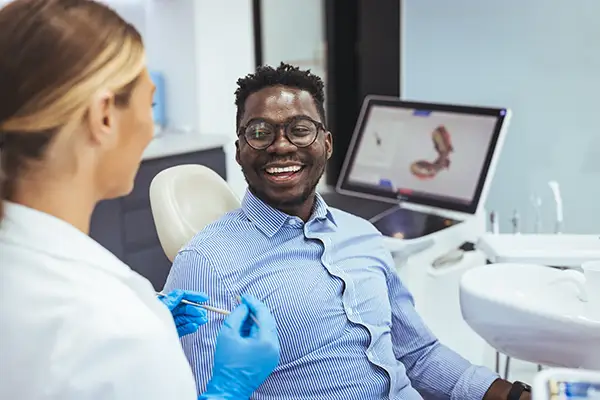 If your teeth feel smoother than they used to, look shorter or more transparent at the edges, or hurt when you drink something cold, GOREgeous Smiles offers enamel erosion treatment in Scottsdale, AZ. Treatment begins with figuring out what is wearing the enamel down. Erosion is a chemical process – acid eating away at the tooth surface – and once enamel is gone, it does not grow back. The earlier we catch it, the more of your natural tooth structure we keep. If your teeth feel smoother than they used to, look shorter or more transparent at the edges, or hurt when you drink something cold, GOREgeous Smiles offers enamel erosion treatment in Scottsdale, AZ. Treatment begins with figuring out what is wearing the enamel down. Erosion is a chemical process – acid eating away at the tooth surface – and once enamel is gone, it does not grow back. The earlier we catch it, the more of your natural tooth structure we keep.
Most patients we see for erosion do not realize anything is happening until they notice their teeth look different in the mirror, or until cold water starts to sting. The damage is gradual and easy to miss at home. We screen for early erosion at every routine preventive dentistry visit because that is where we first catch most cases.
Our approach has two parts that have to happen in order: identify the source so we can stop the damage, then protect or rebuild what has been lost. Skipping the first part is why some erosion cases come back even after restorations – if the acid keeps coming, the new restorations face the same battle.
On This Page
What Is Enamel Erosion?
Enamel is the hard, glassy outer layer of your teeth, and it is the only barrier between the rest of the tooth and the outside world. It is the hardest substance in the human body, but it has one weakness: acid. Repeated acid exposure dissolves enamel slowly, and unlike skin or bone, enamel has no living cells to rebuild itself. What is gone is gone.
What Causes Enamel Erosion
 Enamel erosion is different from mechanical wear (the kind grinding causes), though the two often overlap. Erosion is chemical. The most common source we see in Scottsdale patients is dietary acid, and not just from soda. Citrus, sports drinks, kombucha, wine, vinegar-based dressings, and seltzer are all acidic enough to damage enamel with daily exposure. Frequency of contact matters more than total amount – sipping lemon water through the morning does more damage than drinking the same amount in five minutes. Enamel erosion is different from mechanical wear (the kind grinding causes), though the two often overlap. Erosion is chemical. The most common source we see in Scottsdale patients is dietary acid, and not just from soda. Citrus, sports drinks, kombucha, wine, vinegar-based dressings, and seltzer are all acidic enough to damage enamel with daily exposure. Frequency of contact matters more than total amount – sipping lemon water through the morning does more damage than drinking the same amount in five minutes.
Acid reflux (or GERD) is the second most common cause, and the one patients are usually surprised to hear about. The same stomach acid that produces heartburn can wash over your teeth at night during silent reflux without you ever noticing. We sometimes see the dental damage before the patient has been formally diagnosed with reflux, and a referral to a primary care doctor becomes part of the treatment plan.
Other sources include occupational acid exposure, chronic vomiting from any cause, certain prescription medications, and occasionally an underlying medical condition that affects saliva production. Saliva normally buffers acid in the mouth, so people with chronic dry mouth lose that natural protection.
Recognizing the Signs of Erosion
Early erosion is hard to feel and easy to miss at home. The signals to watch for: teeth looking shorter than they used to, the edges becoming slightly transparent or chipped-looking, the chewing surfaces of your back molars developing small dished-out cups, the surface feeling smoother than it should when you run your tongue over it, and yellowing as the underlying dentin starts to show through thinning enamel. Cold sensitivity is often the first symptom that brings patients in – sometimes searched as sensitive teeth without realizing erosion is the cause.
Why Identifying the Cause Matters First
Restoring eroded teeth without addressing the source is rebuilding a sandcastle while the tide is still coming in. Bonding, crowns, and veneers all eventually fail under continuing acid exposure. That is why our diagnostic work happens before we plan any restorative treatment.
Your Erosion Treatment Dentists in Scottsdale
Dr. Rod W. Gore has been practicing dentistry in Scottsdale for over 38 years, with a Doctor of Dental Surgery from Northwestern University earned in 1987. He is one of only two dentists in Arizona to hold AACD Accredited Member status, a peer-reviewed credential that requires submitting completed cases to other accredited dentists for evaluation rather than just attending courses. The credential matters here because erosion cases on the front teeth often need cosmetic-quality restorative work to look right when we rebuild lost length and edge translucency. Dr. Gore's bio page covers his clinical instructor positions with the Pacific Aesthetic Continuum at the University of the Pacific and the Las Vegas Institute for Advanced Dental Studies.
Diagnosis and Treatment Process
There is no single procedure for erosion treatment. We move through diagnostic, then protective, then restorative work, and most patients do not need every step.
Diagnostic Visit and Cause Identification
We start with a visual exam under good lighting, intraoral photographs we can compare against future visits, and a careful history covering what you eat and drink, when you eat and drink it, any reflux or GERD symptoms, your medications, and your general medical picture. If we suspect saliva flow may be a factor, we run a quick in-office saliva test. The goal of this visit is to leave with a clear answer about what is causing the erosion, even if treatment does not start the same day.
Protective Interventions
For most early-to-moderate erosion, the primary work is protecting what is left. That includes prescription-strength fluoride toothpastes and in-office fluoride treatment that hardens the surface of the remaining enamel, dietary counseling that fits your habits (we are not going to tell you to give up coffee – we will talk about timing and rinsing), and coordination with your physician if reflux or GERD is part of the picture. For patients whose reflux happens mostly at night, a custom night guard can help shield your teeth from acid exposure during sleep. These steps stop further damage in most cases.
Restorative Treatment When Erosion Is Significant
When erosion has already taken meaningful enamel, restorative work both replaces what is missing and protects what is left underneath. The conservative starting point is composite dental bonding, which can rebuild lost edges and worn chewing surfaces in one or two appointments without altering the surrounding tooth structure. For more advanced wear, dental crowns cap and protect the entire tooth. Cosmetically driven cases – usually involving the front teeth and meaningful loss of length – often combine bonding, crowns, and porcelain veneers to rebuild a smile that looks the way it did a decade ago.
Follow-Up and Long-Term Monitoring
After the initial protective and restorative work, we bring you back at regular intervals to compare new photographs against your baseline. The goal is to confirm the cause has been addressed. If photos at six or twelve months show new wear, we revisit the diagnostic conversation rather than just adding more bonding.
Benefits of Treating Enamel Erosion Early
Catching erosion early is the difference between a fluoride treatment and reshaping back to normal contour with bonding. The earlier we identify the source, the more of your original tooth we keep, and the less restorative work you eventually need. Patients who come in at the first sign of cold sensitivity often need nothing more than a high-fluoride toothpaste and a few habit changes.
There is a comfort benefit too. Most erosion patients describe daily sensitivity to cold, sweet, or acidic foods. As enamel thins, the underlying dentin (which contains microscopic tubules connecting to the nerve) becomes more exposed. Treatment that closes those tubules through fluoride application and bonding usually eliminates the sensitivity within a few weeks.
Restoring eroded teeth has a cosmetic side most patients do not initially expect. Worn front teeth make a smile look older because adults generally have longer central incisors than the surrounding teeth, and erosion narrows that gap. Rebuilding the original length and edge translucency restores how the smile reads at conversational distance, even if no one but a dentist could explain why it looks better.
Why Choose Our Practice for Erosion Treatment
The most concrete reason to choose us for erosion treatment is that we treat the cause first, and that is not always the path of least resistance for a dental practice. It is faster and more profitable to skip the diagnostic conversation and move straight to crowns. We do not do that, because the patient comes back a few years later with the same problem on different teeth.
Dr. Gore's AACD Accreditation matters here for a reason that is not obvious until you need it. Restoring eroded front teeth is among the harder cosmetic challenges in dentistry – you are rebuilding length, edge translucency, and surface texture from teeth that have already lost their natural reference points. Two dentists in Arizona currently hold this peer-reviewed credential. The work itself is what gets evaluated.
We also invest in the diagnostic technology that makes early erosion visible. Our intraoral cameras and 3D imaging let us photograph your current state in detail and compare against the same teeth at your next visit. Erosion progression of half a millimeter is easy to miss in a bathroom mirror at home and hard to miss in side-by-side photographs.
What our patients say about working with us:
"Dr. Gore is the best dentist I have experienced. He took my very challenging teeth and turned them into a smile that my friends comment on."
– Joan M., Google review
"I have had a phobia of needles my whole life and have crippling anxiety over dentists. Five years ago I went into Dr. Gore's office and it changed my life. Years down the road, I now have veneers and a few root canals and implants, plus his team recognized my bite was off from grinding and gave me TMJ, so they built up my back molars to fix it. The entire team makes you feel safe and that you are getting the best, most professional care. I cannot recommend Dr. Gore and his entire team highly enough."
– Ashleigh F., Google review
"Whenever I have an appointment at Dr. Gore's office, I know that I am going to be well taken care of in every single aspect, whether it is for a complex procedure, a cleaning, or administrative questions. Top notch office!"
– Rosemary H., Google review
More patient feedback on our reviews page.
Erosion Treatment Cost and Financing
Cost depends on which stage of erosion we are working with. A diagnostic appointment plus protective treatment (fluoride, prescription toothpaste, dietary counseling, a custom night guard if needed) is in a different category from rebuilding multiple worn front teeth with bonding and crowns. We give you a clear written estimate after the diagnostic visit, before any restorative work begins, so there are no surprises.
Insurance coverage varies by stage. Diagnostic appointments and protective fluoride treatments are generally covered as preventive care. Restorative work like bonding and crowns is typically partly covered when it addresses functional damage, with cosmetic-driven cases having less coverage. Our front office team verifies your benefits with your carrier (we currently accept Cigna among other major plans) and lays out what your insurance will and will not pay before you commit. Our financial and insurance page lists accepted plans and walks through payment options.
For patients without dental insurance, the in-office GOREgeous Membership Plan covers two cleanings and exams per year, fluoride applications, X-rays, and an annual oral cancer screening for a flat annual fee, plus a 20% discount on additional treatment. For erosion patients, that makes the protective side of care affordable to maintain long-term. Call 480-585-6225 for a personalized estimate.
Schedule Your Consultation
The earlier we see erosion, the more of your enamel we can save. Call GOREgeous Smiles at 480-585-6225 or use our Request an Appointment page to schedule. We are at 8535 E. Hartford Drive #208 in Scottsdale, AZ 85255-5438. You can also reach us through our Contact page with any questions before booking.
Frequently Asked Questions
Can damaged enamel grow back?
No. Enamel does not contain living cells, so once it is lost, it stays lost. The good news is that the remaining enamel can be hardened with fluoride and protected from further loss, and missing enamel can be rebuilt with bonding, crowns, or veneers. Treatment is about stopping the damage and replacing what is already gone, not regrowing it.
How can I tell if it is erosion or just sensitive teeth?
Sensitivity has a few possible causes, and erosion is one of them. The combination of cold sensitivity plus visible changes – teeth looking shorter, more transparent at the edges, or yellower than they used to be – usually points to erosion specifically. We can confirm in a single appointment with a visual exam and photographs.
I have GERD. Will treating it stop the erosion?
In most cases yes, but it is a team approach. The medical side belongs to your physician – getting the reflux itself controlled – and the dental side belongs to us, primarily protecting what is left while the medication takes hold. Once the acid is controlled, the existing enamel becomes stable and we can plan any restorative work without worrying that the cause is still active.
If I cut soda out of my diet, will the damage stop?
It will stop the soda contribution, but only if soda was the main cause. Many patients have multiple acid sources (citrus, sports drinks, wine, kombucha) and removing one without addressing the others continues the wear at a slower pace. The diagnostic visit is where we figure out everything that is contributing so the changes you make are the right ones.
Will I need crowns or can erosion be treated with smaller restorations?
Most patients do not end up needing crowns. Bonding handles a lot of erosion damage in one or two visits, especially on back teeth, where we can patch eroded chewing surfaces without altering the rest of the tooth. Crowns become the right call when too much enamel is gone for bonding to hold reliably, or when previous bonding has already been tried and failed. For severe full-mouth cases, we use full mouth rehabilitation to coordinate the work across all the affected teeth.
Does cold sensitivity from erosion go away after treatment?
Usually yes, within a few weeks. Fluoride application closes the microscopic tubules in exposed dentin, and bonding or other restorative work covers the most exposed areas. Some patients have dramatic improvement after a single in-office fluoride visit; others need a combination of in-office treatment and prescription-strength toothpaste at home over six to eight weeks.
How often should I come back once treatment is done?
Standard six-month intervals work for most patients, sometimes shifting to three months during active treatment or for patients managing ongoing GERD. We compare photographs at every visit so we catch any new wear early rather than discovering it years later.
Why is your practice better than just any dentist for this?
Erosion treatment is not a single procedure. It is a sequence: find the cause, protect what is left, and only restore when erosion has removed enough enamel to need rebuilding. Dr. Gore's 38+ years in Scottsdale and AACD Accredited Member status mean both the diagnosis and any restorative work come from someone who has been handling cases like this for decades. |