Teeth Contouring & Reshaping in Scottsdale
 Teeth contouring and reshaping at GOREgeous Smiles in Scottsdale, AZ is the most conservative cosmetic procedure we offer. Small adjustments to existing enamel can smooth rough edges, even out length, or refine the natural shape of individual teeth. The clinical name is enameloplasty, and the procedure is exactly what it sounds like: gently filing or polishing the outer enamel to refine shape. Done well, the change is small enough that no one can see what was done, but big enough that you stop noticing the imperfection in the mirror. Teeth contouring and reshaping at GOREgeous Smiles in Scottsdale, AZ is the most conservative cosmetic procedure we offer. Small adjustments to existing enamel can smooth rough edges, even out length, or refine the natural shape of individual teeth. The clinical name is enameloplasty, and the procedure is exactly what it sounds like: gently filing or polishing the outer enamel to refine shape. Done well, the change is small enough that no one can see what was done, but big enough that you stop noticing the imperfection in the mirror.
Reshaping is subtractive, meaning we remove tiny amounts of enamel rather than add anything. That’s what makes it different from dental bonding, which adds composite material to teeth. Both procedures are part of our cosmetic dentistry services, and the two are often paired in the same appointment when a tooth needs both reshaping and a small amount of material added.
The most common questions we get are about reversibility and longevity. Enamel doesn’t grow back, so reshaping is permanent. The amount removed is so minimal that the change is essentially undetectable, and your teeth still look and feel like your teeth, just with edges refined. There’s no recovery time, no anesthesia is typically needed, and you walk out of the appointment with the result.
On This Page
What Is Teeth Contouring and Reshaping?
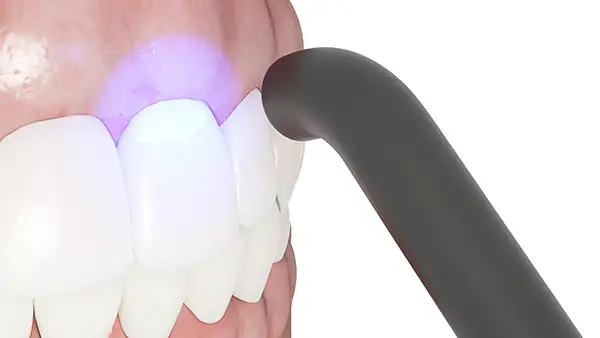 Teeth contouring is a cosmetic procedure where we remove a tiny amount of enamel to reshape the visible portion of one or more teeth. The instrument is a fine polishing bur or a strip of abrasive tape, and we work in small passes with frequent visual checks against the surrounding teeth. Most patients are surprised by how subtle the procedure feels, closer to a polishing than the drilling they imagined. Teeth contouring is a cosmetic procedure where we remove a tiny amount of enamel to reshape the visible portion of one or more teeth. The instrument is a fine polishing bur or a strip of abrasive tape, and we work in small passes with frequent visual checks against the surrounding teeth. Most patients are surprised by how subtle the procedure feels, closer to a polishing than the drilling they imagined.
We most often use the procedure on the upper front teeth and canines, where small changes have the biggest effect on how a smile reads. We commonly reshape canines that look too pointed, even out incisal edges that have worn unevenly, soften a tooth that sits slightly longer than its neighbors, and smooth small chips that catch the lip or tongue. The change is millimeter-scale work, but the visual result is usually larger than people expect.
What Tooth Reshaping Can Fix
The procedure has a specific lane. Reshaping works well for uneven incisal edges, pointed or fang-like canines, slight chips along front teeth, and minor cosmetic touch-ups after orthodontic treatment when the teeth have settled but a few edges remain uneven. It also works as a finishing step on teeth that have been worn down by years of grinding, where the edges have become flat or slightly rough. What reshaping cannot do is move teeth, change their color, or add material where material is missing. If the issue is a substantial chip, a gap, or a tooth that’s the wrong shade, you’re looking at a different procedure.
Contouring Alone vs Combined With Bonding
About half of the contouring we do is paired with bonding in the same appointment. The reason is mechanical: we can shorten a tooth that’s too long with reshaping, but we have to add material back to a tooth that’s too short or chipped. When a single tooth or a small group of teeth needs both adjustments, we contour the high spots and bond the low spots so the final result reads as one even line. For patients exploring more comprehensive cosmetic change across multiple teeth at once, dental veneers are usually the better tool because they let us redesign shape and color together in a single coordinated case.
Who’s a Good Candidate for Contouring
Good candidates have healthy enamel, generally sound teeth, and small cosmetic concerns rather than large ones. We check enamel thickness during your consultation because there has to be enough to safely remove a small amount without exposing the dentin underneath. Patients with significant grinding habits sometimes need a bite-protection plan in place before reshaping, since reshaped edges will wear at the same rate as the original enamel under continued grinding pressure. Pregnancy, severe sensitivity, and active decay on the teeth being reshaped are reasons to wait or address something else first.
Your Cosmetic Care Team in Scottsdale
Dr. Rod W. Gore has been practicing cosmetic dentistry in Scottsdale since 1987 and is one of only two dentists in Arizona who hold AACD Accredited Member status. The AACD’s peer-reviewed accreditation specifically tests a dentist’s ability to deliver natural-looking esthetic results, and the standards for tooth proportion and edge anatomy that earn that credential are the same standards that determine whether a contouring case looks intentional or looks off. That’s why we treat reshaping as a millimeter-by-millimeter design exercise rather than a casual polishing.
The Reshaping Process
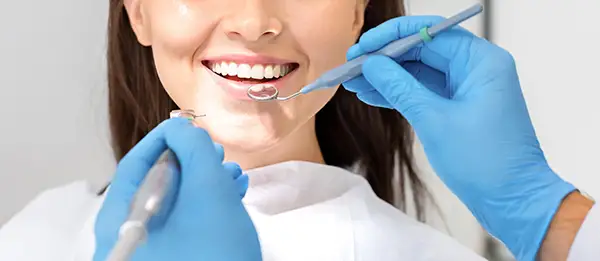 The first appointment is a dental exam and consultation where we look at the teeth you want refined, check enamel thickness, and discuss what reshaping can realistically achieve for your case. We often take photographs and study them at your eye level rather than only at the chair, because edges that look uneven from inches away can look perfect across a room. If the case is a fit for contouring alone, we usually do the work the same day or schedule it for a short follow-up visit. The first appointment is a dental exam and consultation where we look at the teeth you want refined, check enamel thickness, and discuss what reshaping can realistically achieve for your case. We often take photographs and study them at your eye level rather than only at the chair, because edges that look uneven from inches away can look perfect across a room. If the case is a fit for contouring alone, we usually do the work the same day or schedule it for a short follow-up visit.
The procedure itself is quick. Most single-tooth cases finish in under twenty minutes, and a multi-tooth case usually wraps up within a single 30 to 45 minute appointment. The handpiece runs at a much lower speed than a drill, the sensation is closer to a buffing than anything sharp, and anesthesia is rarely needed because we’re working in enamel only and not approaching the nerve. After the shaping passes, we polish each surface to a high shine so the reshaped enamel matches the surrounding teeth in texture and reflectivity.
Follow-up is light. We’ll have you check the result in a hand mirror before you leave so we can make any small adjustment in the same visit. Sensitivity is uncommon but possible for the first day or two if we removed a substantial amount of enamel, and it usually resolves on its own. We see you back at your next routine cleaning and confirm the work has settled in well.
Benefits of Tooth Contouring
The biggest benefit of reshaping is what it doesn’t require. There’s no anesthesia for most cases, no temporary restoration, no waiting period between visits, and no maintenance protocol afterward. You walk in with edges that bother you and walk out with edges that don’t.
The second benefit is the conservative nature of the work itself. We remove a fraction of a millimeter of enamel in most cases, which means we preserve the underlying tooth structure and the procedure stays compatible with future cosmetic work if you ever decide to do more. A patient who has reshaping today can still pursue veneers or whitening later without conflict.
The third benefit is how natural the result looks. Because we’re refining shapes that already exist on your own teeth, there’s no color matching to worry about, no edge where one material meets another, and no risk of the result looking like dental work. Done correctly, the change is invisible to everyone except you. You can see examples of cosmetic refinement work for our patients in our smile gallery.
Why Patients Choose Us for Cosmetic Refinement
The reason small cosmetic work matters more than people assume is that the eye notices imperfection long before the brain explains why. A canine that’s a hair too pointed, an incisor that’s a hair too long, a chip the size of a comma. None of these are dental emergencies and none of them affect function, but they read in photos and they read across a conversation. Reshaping does its best work in this register: small adjustments made carefully on teeth that are already healthy.
Dr. Gore’s AACD Accreditation involves a peer-reviewed case review process focused specifically on the subtle proportion and edge work that makes cosmetic dentistry look natural. He also founded the Phoenix Esthetic Study Club in 1998 to teach other dentists how to do this work and has served as an AACD Examiner evaluating other dentists pursuing the same credential. That experience translates directly to the chair: when we adjust during a contouring appointment, we’re drawing on a trained sense of where the line falls between “needs a little more” and “already done.”
What our cosmetic patients say about working with us:
"I have had a phobia of needles my whole life and have crippling anxiety over dentists, 5 years ago I went into dr gore’s office and it changed my life. Years down the road, I now have veneers and few root canals and implants, plus his team recognized my bite was off from grinding and gave me TMJ, so they built up my back molars to fix it. The entire team just makes you feel safe and that you are absolutely getting the best best most professional care out there. I cannot recommendation d dr gore and his entire team highly enough. A very grateful patient, Ashleigh"
– Ashleigh F., Google review
"Dr. Gore and his staff are so sweet! Thank you for fixing my chipped tooth and adding a veneer. You cannot tell that I have a veneer as it looks so natural. If you are wanting an excellent cosmetic dentist, look no further. My father in law is a retired cosmetic dentist and he is amazed by Dr. Gore’s work on my tooth. His years of experience and accreditations speak for themselves!"
– Joanna C., Google review
"Excellent dentist very friendly educated and talented at cosmetic dentistry."
– Justin M., Google review
More patient feedback on our reviews page.
Tooth Contouring Cost and Financing
Cost matters, and reshaping costs less than most cosmetic procedures because we usually complete the work in a single short appointment with no laboratory components. The total depends mainly on how many teeth are being reshaped and whether bonding is added in the same visit. We give you a written estimate at the consultation, before any work starts.
Insurance coverage for contouring is uncommon because the procedure is considered cosmetic. There are exceptions when reshaping is part of repairing a chipped or fractured tooth, in which case partial coverage may apply. Our front office team verifies your benefits with your carrier (we currently accept Cigna among others) and lays out exactly what your insurance will and won’t pay before you decide. Our financial and insurance page lists accepted plans and outlines payment options.
For patients without dental insurance, we offer the in-office GOREgeous Membership Plan, which covers preventive visits and includes a 20% discount on additional treatment for a flat annual fee. We also offer flexible third-party financing for cases where reshaping is part of a larger cosmetic plan that includes bonding or veneers.
Schedule Your Consultation
Reshaping starts with a short consultation about which edges bother you and whether your enamel can support the work. Call GOREgeous Smiles at 480-585-6225 or use our Request an Appointment page to schedule. We’re located at 8535 E. Hartford Drive #208 in Scottsdale, AZ 85255-5438. You can also reach us through our Contact page with any questions before booking.
Frequently Asked Questions
Will my enamel grow back if I have my teeth reshaped?
No. Enamel doesn’t regenerate, so reshaping is permanent. What makes the procedure safe is how little enamel we remove in the first place. We typically work in fractions of a millimeter, well within the protective enamel layer, so the underlying tooth structure stays intact. The change is permanent, but the tooth is still your tooth, just with edges adjusted.
Does tooth contouring hurt?
For most patients, no, and most cases need no anesthesia. Enamel has no nerve endings and the work stays well above the dentin layer, so the sensation is closer to a fingernail being filed than to a dental drill. The handpiece runs at a much lower speed and the cuts are short, smooth passes. If you’re sensitive in general or if a particular tooth needs more substantial work, we can use topical or local anesthesia to keep the area fully comfortable.
Can teeth contouring fix a chipped tooth in Scottsdale?
Sometimes, but it depends on the chip. A small chip with a sharp edge can often be smoothed out with contouring alone, especially when rounding the corner restores a natural-looking edge. A larger chip that has taken away noticeable tooth structure usually needs bonding to add material back, often combined with light reshaping of the surrounding edges so the repair blends. Chipped-tooth cases run in both directions, and the right call at our Scottsdale office depends on what’s missing and what’s left.
How is reshaping different from veneers or bonding?
Reshaping is subtractive only – we remove a tiny amount of enamel and don’t add anything back. Bonding is additive: we apply tooth-colored composite to build up areas that are missing material, and we can also use it to change shape or color. Veneers are full-coverage restorations: thin shells of porcelain bonded over the front of teeth, usually done across multiple teeth at once for a comprehensive cosmetic change. Contouring is the smallest tool in this set; veneers are the largest.
How long do tooth contouring results last?
The reshaping itself is permanent because enamel doesn’t grow back. What can change over time is the surrounding teeth: continued grinding can wear down enamel uniformly across all your teeth, which can shift how the reshaped edges read in proportion. Patients who grind benefit from a night guard to lock in the result. For patients without grinding habits, a contouring case done well can look the same decades later.
Will my teeth feel more sensitive after reshaping?
Mild sensitivity to cold for a day or two is the most common after-effect, and it usually shows up only when we needed to remove more enamel. The polishing step at the end of the procedure helps seal the surface, and a sensitivity toothpaste with potassium nitrate can shorten the period further. Persistent sensitivity beyond a few days is uncommon and worth a quick call to the office so we can take a look.
Can the contouring be undone if I don’t like it?
The reshaping itself can’t be undone because removed enamel doesn’t regrow. We can add material back with bonding to restore length or shape if you feel we took too much. This is one reason we work in small passes and have you check the result in a hand mirror before completing the visit. Most contouring patients are happy with the result the first time. We don’t finish until you’re comfortable with what you see in the mirror.
Will reshaping weaken my teeth?
No, not when we do the procedure correctly. The amount of enamel we remove during contouring is small, usually a fraction of a millimeter, well within the protective enamel layer. We measure enamel thickness on the teeth being reshaped before any work begins, and we stay well clear of the dentin layer where strength becomes a concern. The teeth that get into trouble after contouring are usually teeth that already had thin enamel before the procedure, which is why the consultation step matters.
|