Peri-Implantitis Treatment in Scottsdale, AZ
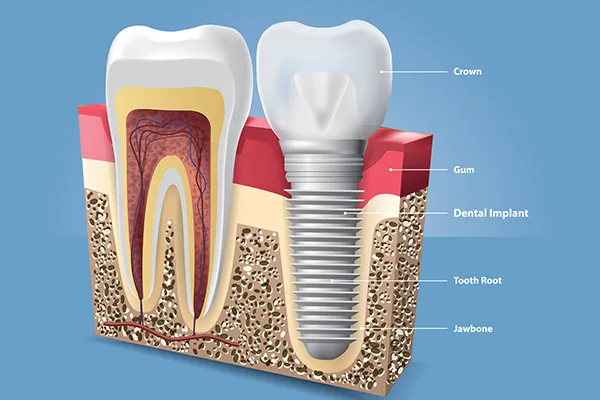 If the gum tissue around one of your dental implants has become red, sore, or started bleeding, GOREgeous Smiles offers peri-implantitis treatment in Scottsdale, AZ to stop the infection before it threatens the implant itself. Peri-implantitis is gum disease around an implant, and it’s treatable, especially when it’s caught early. The earlier we start, the better the chances of saving the implant. If the gum tissue around one of your dental implants has become red, sore, or started bleeding, GOREgeous Smiles offers peri-implantitis treatment in Scottsdale, AZ to stop the infection before it threatens the implant itself. Peri-implantitis is gum disease around an implant, and it’s treatable, especially when it’s caught early. The earlier we start, the better the chances of saving the implant.
Most patients who develop peri-implantitis didn’t do anything wrong. Plaque builds up on implant surfaces the same way it builds up on natural teeth, and bacteria around an implant can trigger an inflammatory response that, if left alone, gradually damages the bone around the implant. The earlier we step in, the simpler the treatment usually is.
We approach peri-implantitis as part of our broader restorative dentistry care, with an emphasis on saving implants whenever possible. For early-stage cases, that often means thorough cleaning of the implant surface, antimicrobial therapy, and laser-assisted gum treatment with our MLS cold laser system.
On This Page
What Is Peri-Implantitis?
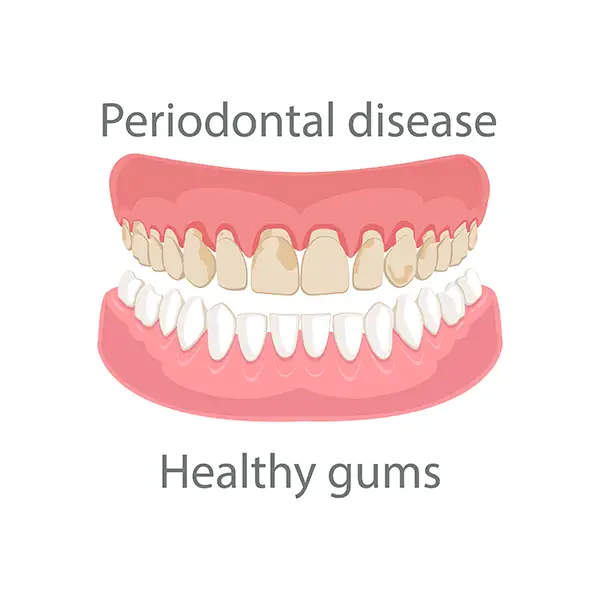 Peri-implantitis is the implant equivalent of gum disease around natural teeth. It starts as inflammation in the gum tissue surrounding a dental implant, and if it isn’t treated, it progresses into bone loss at the spot where the implant meets the jaw. That bone loss is what eventually threatens the implant, because an implant only stays stable as long as the bone holding it is healthy. Peri-implantitis is the implant equivalent of gum disease around natural teeth. It starts as inflammation in the gum tissue surrounding a dental implant, and if it isn’t treated, it progresses into bone loss at the spot where the implant meets the jaw. That bone loss is what eventually threatens the implant, because an implant only stays stable as long as the bone holding it is healthy.
There are two stages, and the difference between them is why we push to see you early.
Peri-Implant Mucositis (Early Stage)
Peri-implant mucositis is the early, reversible stage. The gum tissue around the implant looks red and may bleed when you brush or floss, but the bone underneath is still intact. With thorough cleaning around the implant and improvements to your home hygiene, mucositis usually clears up entirely. No bone loss, no lasting damage.
Peri-Implantitis (Advanced Stage)
Peri-implantitis is the more advanced stage. Bone loss has begun, visible on X-rays, and the gum tissue may show recession, deeper gum pockets around the implant, or pus. Reversing peri-implantitis is harder than reversing mucositis, and treatment becomes more involved. The good news is that many cases respond well to non-surgical and laser-assisted therapy when they’re caught before the bone loss is severe. Advanced cases sometimes require a surgical approach to access and clean the implant surface, and rare cases of significant bone loss may end with us needing to remove the implant and replace it after the area heals.
Symptoms to Watch For
The early signs of trouble around an implant are easy to dismiss because they’re subtle. Redness or swelling at the gum line. Bleeding when you brush near the implant. A faint metallic or unpleasant taste. The implant area feels different to the tongue, even if it’s not loose. Recession that exposes part of the implant or abutment. Any of these is reason to come in for an evaluation, not reason to wait and see.
How Peri-Implantitis Develops
The cause is bacterial. Bacteria in the plaque around the implant trigger inflammation in the surrounding gum and bone, and if the plaque keeps building up, the inflammation extends deeper. Risk factors that make peri-implantitis more likely include smoking, uncontrolled diabetes, a history of gum disease, inconsistent home care, and missed hygiene visits. Implants placed in patients who already had periodontal disease elsewhere in the mouth need especially close monitoring.
Your Peri-Implantitis Dentists in Scottsdale
Dr. Rod W. Gore has been practicing dentistry in Scottsdale for more than 38 years, with a focus on restorative work, which includes helping patients whose implants run into trouble years after placement. He earned his Doctor of Dental Surgery from Northwestern University in 1987.
Most implant complications take weeks or months to fully treat, and the dentist’s judgment matters as much as the technique. Dr. Gore has spent decades treating restorative patients, and that long view of how implants hold up over the years shapes how we handle peri-implant cases.
How We Treat Peri-Implantitis
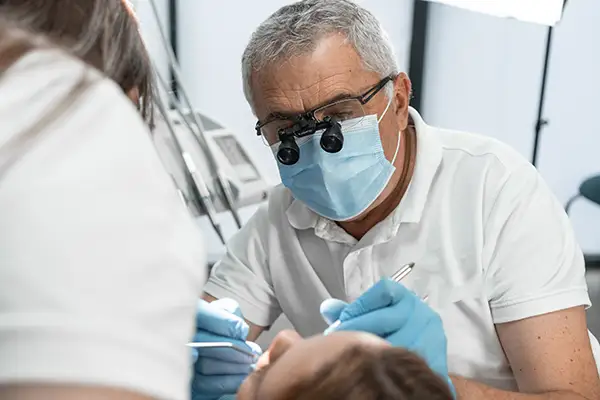 We stage treatment based on what we find at the first appointment, which is why we don’t recommend a treatment plan over the phone. We stage treatment based on what we find at the first appointment, which is why we don’t recommend a treatment plan over the phone.
Diagnosis and Imaging
We start with a full periodontal exam around the implant, measuring the depth of any gum pockets, checking for bleeding, and looking for signs of recession. We pair that with 3D Cone Beam imaging that shows us the bone level around the implant in three dimensions. The combination tells us whether you’re dealing with mucositis or peri-implantitis, and how much bone has been affected if any.
Non-Surgical Cleaning Around the Implant
For mucositis and earlier-stage peri-implantitis, the first round of treatment is mechanical cleaning of the implant surface and the surrounding gum pocket using instruments designed specifically for implants. Standard scaling tools can scratch implant surfaces and make the problem worse, so we use plastic, titanium, or carbon-fiber instruments that won’t damage the implant. We pair this with antimicrobial irrigation of the pocket.
Laser-Assisted Therapy
Our MLS Multiwave Locked System cold laser is a key part of how we treat peri-implant infections. Cold laser dentistry reduces inflammation in the gum tissue around the implant, encourages healing of the soft-tissue attachment, and helps the area calm down faster after the cleaning portion of treatment. The laser is comfortable for most patients and doesn’t require anesthesia.
Home Care and Follow-Up
We send you home with a tailored hygiene plan: which interdental tools work best for the implant, antimicrobial rinses if appropriate, and a follow-up schedule that’s typically more frequent than standard cleanings while we’re monitoring the response. Most patients in the early-stage range come back at six to eight weeks for a re-evaluation, then settle into a maintenance interval of every three or four months for at least the first year after treatment.
Surgical Referral When Needed
For advanced cases with significant bone loss, treatment may require a surgical approach to access the implant surface for thorough cleaning, regenerative grafting to attempt bone repair, or in rare cases, removal of the implant. We’ll be honest with you if your case is at that level. Some advanced peri-implantitis cases are best managed by a periodontist, and we work with referral partners in the Scottsdale area when that’s the right call for your case.
Benefits of Early Peri-Implantitis Treatment
The biggest benefit of starting treatment early is that the problem can still be fully reversed. Peri-implant mucositis, the early stage, is genuinely reversible – treat it well and the gum tissue around the implant returns to a healthy baseline. Once bone loss begins, the math changes. We can stabilize the situation in many cases, but the bone that’s already gone usually doesn’t come back without surgical regeneration, and even then results vary.
Saving the implant itself is the second benefit. A failed implant is replaceable, but the replacement isn’t simple: it usually involves removing the existing implant, waiting for the area to heal, possible bone grafting if the bone has thinned, then a fresh implant placement and crown. Catching peri-implantitis at the mucositis stage avoids that entire sequence.
The third benefit is the chance to address what’s actually behind it. If your hygiene routine isn’t getting around the implant well enough, we’ll fix that with the right tools and technique. If a behavior or condition is driving the inflammation, we’ll talk through it. Treatment isn’t just about cleaning the implant once. It’s about understanding why this happened and changing what needs to change so it doesn’t come back.
Why Choose Our Practice for Peri-Implantitis Treatment
We treat peri-implantitis as a problem worth taking seriously, not a routine cleaning we rush through. Implants take real time and money to place, and the goal of any peri-implantitis appointment in our office is to keep that implant working as long as possible.
Our MLS cold laser is one of the most useful tools we have for peri-implant cases. It lets us treat the inflammation around the implant without scalpels or sutures in the early-to-moderate range, and recovery is much gentler than traditional periodontal surgery. Combined with 3D Cone Beam imaging that shows us the bone level around the implant before we start, we know what we’re working with at every step.
We also tell you when your case is past what we should manage in our office. Some advanced peri-implantitis cases belong in a periodontist’s chair, and we’ll say so directly rather than treat anything to keep you here.
What our patients say about working with us on gum and implant care:
"I have been a patient of Dr Gore’s for a decade and what a difference a great dentist makes! My gums were in very bad condition but he set up a recovery plan to get them healthy. Shawna is by far the best dental hygienist I’ve ever been to and I wouldn’t let anyone else near me for my cleanings absolutely amazing with the best bedside manner ever (calms my nerves). Thank you to everyone there!"
– Tiffany C., Google review
"Dr. Rod Gore and every member of his team offer excellence in dental care. Each individual, and the team as a whole, are highly competent and caring. They are sensitive to your needs and really listen, providing a positive, nurturing experience that will promote rapid recovery and healing."
– Susan R., Google review
"I have had a phobia of needles my whole life and have crippling anxiety over dentists, 5 years ago I went into dr gore’s office and it changed my life. Years down the road, I now have veneers and few root canals and implants, plus his team recognized my bite was off from grinding and gave me TMJ, so they built up my back molars to fix it. The entire team just makes you feel safe and that you are absolutely getting the best best most professional care out there."
– Ashleigh F., Google review
More patient feedback on our reviews page.
Cost and Insurance for Peri-Implantitis Treatment
Cost varies based on what your case actually needs, and we won’t give you a number until we’ve looked at the implant and the bone level. An early mucositis case treated with implant-specific cleaning and laser therapy is in a different category than an advanced case requiring a surgical referral. We give you a written estimate after the consultation and exam, before any treatment begins.
Most dental insurance plans provide some coverage for peri-implantitis treatment because it qualifies as periodontal therapy, not cosmetic care. Coverage details depend on your specific plan and your annual maximum. Our front office team verifies your benefits with your carrier (we currently work with Cigna among other PPO plans) and lays out exactly what your insurance will and won’t pay before treatment begins. Our financial and insurance page lists accepted plans and explains how we handle out-of-network claim filing.
For patients without dental insurance, the GOREgeous Membership Plan includes a 20% discount on additional treatment beyond the included preventive care, which applies to peri-implantitis therapy. Third-party financing is also available so the cost can fit a monthly budget rather than coming out all at once.
Schedule Your Peri-Implantitis Consultation
If something feels off around one of your implants, the worst thing to do is wait. Call GOREgeous Smiles at 480-585-6225 or use our Request an Appointment page to schedule. We’re located at 8535 E. Hartford Drive #208 in Scottsdale, AZ 85255-5438. You can also reach us through our Contact page with any questions before booking.
Frequently Asked Questions
Can peri-implantitis be cured?
Peri-implant mucositis (the early, inflammation-only stage) is genuinely reversible with thorough cleaning and improved home care. Once peri-implantitis with bone loss has set in, full reversal isn’t always possible, but the disease can almost always be stabilized so the implant can survive long-term. The bone that has been lost typically does not regrow on its own, and the goal of treatment shifts from full reversal to halting further damage.
How do I know if I have peri-implantitis?
A clinical exam plus 3D imaging is the only reliable way to know for certain. The signs that should bring you in are bleeding around the implant when brushing, redness or swelling of the gum at the implant, recession that exposes part of the implant, persistent bad taste, or the implant feeling different than it used to. None of these symptoms is enough to self-diagnose, but any one of them is reason to schedule an evaluation rather than wait.
Will I lose my implant?
Most early-stage peri-implant cases respond well to treatment, and the implant survives. Implant loss becomes more likely as bone loss progresses, particularly in cases where significant bone has been affected before treatment begins. Coming in at the first signs of trouble dramatically improves the odds of saving the implant, which is why we don’t recommend waiting to see if symptoms resolve on their own.
Does the laser treatment hurt?
The MLS cold laser portion of treatment is generally comfortable and doesn’t require anesthesia for most patients. The cleaning around the implant that comes before the laser may benefit from local numbing depending on the depth of the pocket and your sensitivity. Most patients describe the entire visit as more comfortable than they expected, especially compared to the traditional gum surgery they may have heard about.
How long does peri-implantitis treatment take?
Initial cleaning and laser appointments usually run 60 to 90 minutes. Most cases involve a re-evaluation appointment six to eight weeks after the initial treatment, plus a maintenance schedule of every three or four months for at least the first year. The total time from first appointment to a stable maintenance schedule is typically two to three months for early-stage cases, longer when surgical intervention or referral is needed.
Should I see a periodontist instead?
For early-stage and many moderate cases, a general dentist with implant experience and laser capability is well-equipped to handle peri-implantitis treatment. For advanced cases involving significant bone loss, regenerative grafting, or implant removal, a periodontist’s specialized training is the right call. We make that recommendation honestly based on what your case actually needs, and we work with referral partners in Scottsdale when surgery is the better path.
Can peri-implantitis be prevented?
Most cases of peri-implantitis are preventable with consistent home care and regular hygiene visits that include implant-specific cleaning. Implants don’t get cavities, but they collect plaque just like natural teeth do, and the gum and bone around them react to it the same way. Quitting smoking, controlling diabetes if applicable, and using the right interdental cleaning tools around the implant are the steps that make the biggest difference.
Why should I choose GOREgeous Smiles for peri-implantitis treatment in Scottsdale?
For peri-implant care, what matters more than anything is whether the dentist can keep an eye on long-term implant function, not just stabilize the current inflammation. Dr. Gore has decades of restorative work behind him, which is what these cases call for. Our MLS cold laser handles non-surgical and laser-assisted therapy in the same office where you’ll keep coming for ongoing maintenance. We also recommend a periodontist when your case actually requires one, which not every general dentist will do. |