Gap Tooth Closure in Scottsdale, AZ
 A visible space between your two upper front teeth is one of the most common cosmetic concerns we hear about, and it’s also one of the most fixable. The clinical name for the gap is a diastema, and at GOREgeous Smiles in Scottsdale, AZ we close them three different ways depending on the size of the gap, the shape of the teeth around it, and your bite. A small midline gap can disappear in a single appointment with composite bonding. A larger gap or one paired with other front-tooth concerns may be a better fit for porcelain veneers. Some gaps are better closed by moving the teeth themselves with clear aligners or braces. Gap closure sits inside our broader cosmetic dentistry menu, and we’ll talk through which path serves you best before you decide on anything. A visible space between your two upper front teeth is one of the most common cosmetic concerns we hear about, and it’s also one of the most fixable. The clinical name for the gap is a diastema, and at GOREgeous Smiles in Scottsdale, AZ we close them three different ways depending on the size of the gap, the shape of the teeth around it, and your bite. A small midline gap can disappear in a single appointment with composite bonding. A larger gap or one paired with other front-tooth concerns may be a better fit for porcelain veneers. Some gaps are better closed by moving the teeth themselves with clear aligners or braces. Gap closure sits inside our broader cosmetic dentistry menu, and we’ll talk through which path serves you best before you decide on anything.
On This Page
What Is Gap Tooth Closure?
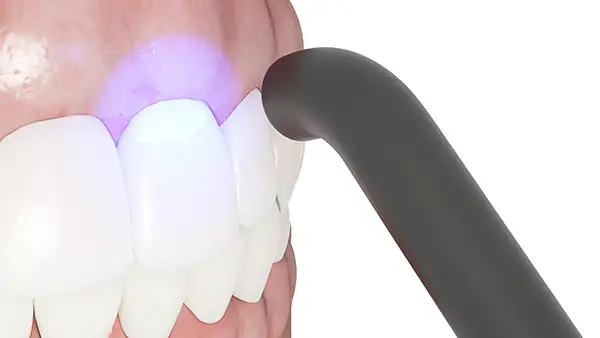 Gap tooth closure, or diastema closure, is the cosmetic correction of visible space between adjacent teeth. Most of the cases we treat in Scottsdale are midline diastemas – the gap between the two upper front teeth – though smaller gaps can show up between any of the front six teeth. The space itself is harmless. The choice to close it is purely about how your smile reads to you, and how proportionate the result will look once the gap is gone. Gap tooth closure, or diastema closure, is the cosmetic correction of visible space between adjacent teeth. Most of the cases we treat in Scottsdale are midline diastemas – the gap between the two upper front teeth – though smaller gaps can show up between any of the front six teeth. The space itself is harmless. The choice to close it is purely about how your smile reads to you, and how proportionate the result will look once the gap is gone.
How a Tooth Gap Gets Closed
There are three legitimate ways to close a diastema, and the right one depends on your specific case. Composite bonding adds tooth-colored resin to the inside edges of the surrounding teeth to fill the space. It’s the fastest option, finishes in one appointment, and removes essentially no enamel. Porcelain veneers cover the front surface of the teeth on either side of the gap with custom-shaped porcelain. Veneers cost more and require some enamel preparation, but they hold their color and shape considerably longer than bonding and can address other smile concerns at the same time. Clear aligners or SureSmile orthodontic treatment close the gap by moving the teeth together rather than adding material to them. That route preserves all your natural tooth structure but takes months and requires that the surrounding teeth have room to shift without creating new spacing problems.
Whether You Should Close It at All
Not every gap needs to be closed. Some patients consider their diastema a feature of their face and have no interest in changing it – that’s a fair call, and we won’t talk you out of it. The cases where closure is most worth considering are gaps that bother you enough to affect how often you smile in photos, gaps wide enough to trap food consistently, or gaps tied to bite issues that warrant orthodontic correction anyway. We sometimes suggest leaving a gap alone when it’s small enough that closing it would visibly widen the front teeth out of proportion, or when the simpler cosmetic fix would compromise a healthy bite. We’ll be straight with you about which category your gap falls into.
Your Cosmetic Dentist in Scottsdale
What separates a good gap closure from a bad one isn’t the technique – bonding, veneers, and orthodontics are all standard options. It’s the dentist’s eye for proportion. Close a gap incorrectly and the two front teeth end up looking too wide, which most patients notice immediately and never quite get used to. Dr. Rod W. Gore has been practicing cosmetic dentistry in Scottsdale for over 38 years and is one of only two dentists in Arizona to hold Accredited Member status with the American Academy of Cosmetic Dentistry. AACD Accreditation is a peer-reviewed credential that requires submitting completed cosmetic cases for examination by other accredited dentists, which is exactly the training that sharpens an eye for proportion. Full background on Dr. Rod W. Gore’s bio page.
How We Close a Gap at Our Scottsdale Office
The first step is a consultation where we look at the gap, the teeth around it, and your bite together. We measure the width of the gap, photograph the smile, and talk through what each of the three approaches would look like for your specific case. This is also when we discuss whether closure is the right call at all.
If we move forward with composite bonding, the procedure itself is a single appointment. We isolate the teeth, lightly etch the inside surfaces of the teeth bordering the gap, place tooth-colored composite in layers, shape it to match the natural curve of your smile, cure it with a blue light, and polish the bonding to a glassy finish. Most cases run 60 to 90 minutes, no anesthesia is usually needed, and you eat normally that same day.
If veneers are the better fit, we plan the new tooth shape with you first – using digital previews, photographs, or a wax mock-up – so you see the destination before we alter any teeth. Veneer cases typically run two appointments across two to three weeks, with temporary veneers in between so you’re never without a smile.
If orthodontic gap closure is the better long-term answer, we coordinate clear aligner or SureSmile treatment over several months. The gap closes gradually as the teeth shift into their new positions, and we monitor progress at periodic check-ins.
Benefits of Closing a Tooth Gap
The most immediate benefit is cosmetic. Patients tell us they smile more often in photos after the gap is closed and stop covering their mouths with their hands when they laugh. That sounds small. For someone who’s spent years self-conscious about their front teeth, it’s not.
There are practical benefits too, depending on the case. Larger gaps trap food during meals, which can be persistently annoying and occasionally lead to gum irritation. Closing a wide diastema solves that. Gaps caused by underlying bite or alignment issues sometimes get worse over time, and addressing them with orthodontic gap closure stabilizes the front teeth before drift continues.
We share before-and-after results from our own cases on the smile gallery so you can see the range of outcomes from gap closures we’ve done at our practice.
Why Choose Our Practice for Gap Tooth Closure
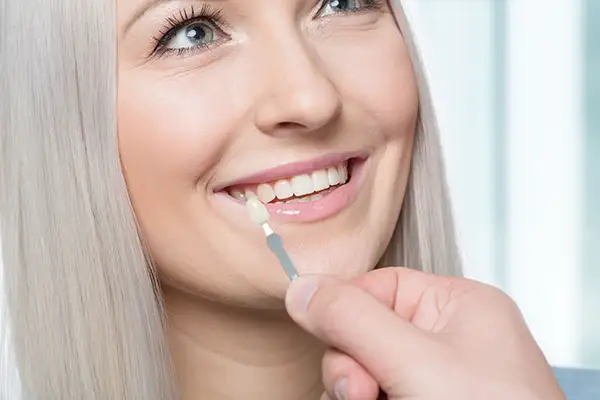 Cosmetic gap closures are one of the cases where the difference between a great result and a passable one is almost entirely about the dentist, not the materials. AACD Accreditation is one of the most rigorous peer-reviewed cosmetic credentials in dentistry, and Dr. Gore has held it since 1995. Two dentists in Arizona currently hold the credential. He’s also founded the Phoenix Esthetic Study Club to teach other dentists, served as a clinical instructor with the Pacific Aesthetic Continuum at the University of the Pacific, and continues to serve as an AACD Examiner reviewing cases submitted by dentists pursuing Accreditation. Cosmetic gap closures are one of the cases where the difference between a great result and a passable one is almost entirely about the dentist, not the materials. AACD Accreditation is one of the most rigorous peer-reviewed cosmetic credentials in dentistry, and Dr. Gore has held it since 1995. Two dentists in Arizona currently hold the credential. He’s also founded the Phoenix Esthetic Study Club to teach other dentists, served as a clinical instructor with the Pacific Aesthetic Continuum at the University of the Pacific, and continues to serve as an AACD Examiner reviewing cases submitted by dentists pursuing Accreditation.
When you book a gap closure consultation here, the first thing we do is measure proportion, not the gap itself. The reason is simple. If the two front teeth are already on the wider side of average, closing the gap by adding bonding makes them look noticeably too wide. In those cases we may recommend reshaping the surrounding teeth as part of the plan, or moving the teeth orthodontically instead of adding material. We build the plan around what your finished smile should look like, not just what the gap is right now.
For patients who already trust a dentist with cosmetic work, the credential matters less. For patients comparing cosmetic dentists in Scottsdale who haven’t found the right fit yet, the easiest filter is whether the dentist holds a peer-reviewed cosmetic credential. AACD Accreditation is one of the few that qualifies.
What our cosmetic patients say about working with us:
"Dr. Gore and his staff are so sweet! Thank you for fixing my chipped tooth and adding a veneer. You cannot tell that I have a veneer as it looks so natural. If you are wanting an excellent cosmetic dentist, look no further. My father in law is a retired cosmetic dentist and he is amazed by Dr. Gore’s work on my tooth. His years of experience and accreditations speak for themselves!"
– Joanna C., Google review
"Excellent dentist very friendly educated and talented at cosmetic dentistry."
– Justin M., Google review
"Dr Gore is super nice! Looking forward to a wider smile!"
– Lisa K., Google review
Cost of Gap Tooth Closure
Gap closures fall into the cosmetic category in most insurance plans, which means they’re typically not covered. Composite bonding sits at the lower end of cosmetic costs because it finishes in one appointment with no lab work. Porcelain veneers cost more because they involve custom lab fabrication and a second appointment to bond. Orthodontic gap closure with clear aligners is priced like a course of orthodontic treatment rather than a one-visit cosmetic fix.
Two things sometimes change the insurance picture. First, if the gap is the result of a missing tooth or restoration that was previously covered, parts of the case may have a medical-necessity argument. Second, if any of your annual benefit maximum is unused before the year resets, applying it strategically reduces what you pay out of pocket. Our front office calls insurance for you and confirms what’s covered before treatment. Accepted plans are listed on our financial and insurance page.
For patients without insurance, the GOREgeous Membership Plan includes preventive care plus a 20% discount on additional treatment, which applies to bonding and veneer work. Third-party financing is also available so you can spread the cost across monthly payments instead of paying the full amount upfront. Call 480-585-6225 for a personalized estimate.
Schedule Your Gap Closure Consultation
The first conversation about closing a gap is short, and it’s where we figure out which of the three approaches fits. Call GOREgeous Smiles at 480-585-6225 or use our Request an Appointment page to schedule. We’re located at 8535 E. Hartford Drive #208 in Scottsdale, AZ 85255-5438. Get directions to our office on Google Maps. You can also reach us through our Contact page with questions before booking.
Frequently Asked Questions
How long does composite bonding for a gap closure last?
Bonded gap closures typically last 5 to 10 years, with some cases going considerably longer. The two factors that shorten that range are nighttime grinding and habits like biting fingernails or pens. Bonding is also easy to repair or replace because the procedure adds material rather than removes it, so a chip or stain at year 6 doesn’t mean starting over. Patients who grind generally do better with veneers, with a nightguard, or both.
Will closing my gap make my front teeth look too wide?
Sometimes yes, which is why we measure proportion before we touch the teeth. If your two front teeth already trend wider than the surrounding teeth, closing a small gap by adding material to both sides pushes the proportion further off. The fix in those cases is usually subtle reshaping of the adjacent teeth alongside the bonding, or closing the gap orthodontically so no material gets added. The preview we show you at the consultation makes that decision visible before any work starts – you see the planned shape on your own face, not in your imagination.
What is the difference between bonding and veneers for closing a gap?
Bonding uses tooth-colored composite resin shaped directly on your teeth in one appointment. Veneers are custom porcelain shells made by a dental lab and bonded across two appointments. Bonding costs less, finishes faster, requires no enamel removal, and is easy to touch up if it chips. Veneers last longer (10 to 15+ years versus 5 to 10), resist staining better, and look more lifelike for cases involving multiple front teeth or shape changes beyond just the gap. For a small standalone diastema, bonding is usually the right call. For gap closure paired with whitening, shape changes, or chip repair on multiple teeth, veneers earn their cost.
Should I close my gap with braces or aligners instead of bonding?
Sometimes that’s the better long-term answer. Orthodontic gap closure preserves all your natural tooth structure, addresses any bite issues that contributed to the gap forming, and produces a result that doesn’t need maintenance the way bonding does. The tradeoffs are time (months instead of one appointment) and cost relative to bonding. Aligners or SureSmile are most worth considering when the gap is part of broader spacing or alignment issues, when you have time, or when you want a permanent fix without added material. We can tell you in the first consultation which path makes more sense for your case.
Is gap tooth closure painful?
Composite bonding to close a gap usually requires no anesthesia at all because we’re adding material to your teeth, not drilling into them. The lightly textured surface we create on the enamel is at the level of a soft polish, not a procedure. Veneer cases use local anesthesia during the prep appointment so the area is fully numb, and patients describe the sensation as pressure rather than pain. Orthodontic gap closure is mild pressure for a few days after each aligner change or wire adjustment.
Can I see what my new smile will look like before I commit?
Yes, and we recommend it for any case beyond the smallest bonding fix. The preview can be a digital simulation, a marked-up photograph, or a physical wax mock-up – the wax version is particularly useful because we temporarily place it over your existing teeth so you see the planned shape on your own face. Patients who’ve previewed almost always end up happier with the final result than those who’ve only imagined it.
Is closing my tooth gap something I should do?
Only if it bothers you. A diastema is harmless on its own, and many patients are perfectly happy with theirs as a feature of their smile. The patients who tend to be most satisfied with closure are the ones who’ve already spent years thinking about it and have a clear sense of what they want different. The patients who tend to regret it are the ones who close a gap on someone else’s suggestion. We won’t push you toward closure if you’re ambivalent. |