Why the Toothpaste you Use Doesn't Matter
Posted on 9/1/2026 by GOREgeous Smiles Office |
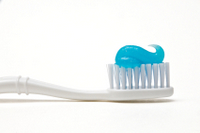 Let's face it, the toothpaste aisle can be overwhelming! So many brands, so many promises whitening, sensitivity relief, enamel strengthening. It's enough to make your head spin. You might think picking the perfect toothpaste is crucial for a healthy mouth. But, in reality, the specific brand or flavor of toothpaste you choose isn’t nearly as important as how you use it. Let's face it, the toothpaste aisle can be overwhelming! So many brands, so many promises whitening, sensitivity relief, enamel strengthening. It's enough to make your head spin. You might think picking the perfect toothpaste is crucial for a healthy mouth. But, in reality, the specific brand or flavor of toothpaste you choose isn’t nearly as important as how you use it.
The Real Star of the Show: Brushing Technique
The absolute most important factor in effective oral care is your brushing technique. Think of toothpaste as a supporting actor, not the leading role. You could use the fanciest, most expensive toothpaste on the market, but if you’re just quickly scrubbing your teeth for 30 seconds, you’re not doing much good.
Proper brushing involves using a soft-bristled toothbrush and spending at least two minutes cleaning all surfaces of your teeth. This includes the front, back, and chewing surfaces. Use gentle, circular motions to remove plaque and food particles. Don't forget to brush along the gumline, where bacteria love to hide.
The Key Ingredients That Actually Matter
While the brand itself may not be a game-changer, there are a few key ingredients to look for in any toothpaste you choose:
| • |
Fluoride: This is the rockstar ingredient for preventing cavities. Fluoride strengthens tooth enamel, making it more resistant to acid attacks from bacteria and sugars. It can even help repair early signs of tooth decay. |
| • |
Abrasives: These are gentle scrubbing agents that help remove surface stains and plaque. Common abrasives include hydrated silica or calcium carbonate. |
| • |
Flavoring Agents: These make the toothpaste taste good, which encourages you to brush for the recommended two minutes. Mint is a popular choice, but there are plenty of other options available. |
Focusing on Prevention Dentistry
Toothpaste is a valuable tool in prevention dentistry, but it's just one piece of the puzzle. Regular dental check-ups and cleanings are crucial for maintaining optimal oral health. Your dentist can identify potential problems early on and provide personalized recommendations for your oral care routine. Flossing daily is also critical for removing plaque and food particles from between your teeth, where your toothbrush can't reach.
Making the Right Choice For You
Ultimately, the best toothpaste is the one you'll actually use consistently. Choose a flavor you enjoy and make sure it contains fluoride. If you have specific concerns, such as sensitivity or whitening, you can look for toothpastes that address those issues. But remember, focusing on proper brushing technique and maintaining a consistent oral care routine is far more important than the brand of toothpaste you choose. By focusing on prevention dentistry, and understanding what toothpaste can and can't do, you can make informed decisions about your oral health.
|
|