Is Baking Soda too Rough on Your Teeth
Posted on 7/1/2026 by GOREgeous Smiles Office |
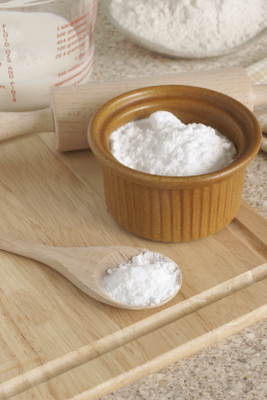 Have you ever wondered if that box of baking soda in your pantry could actually help keep your smile bright? Baking soda has been touted as a natural teeth whitener and breath freshener for years. But is this common household ingredient a safe and effective part of your oral care routine, or could it be doing more harm than good? Let's dive into the science and sort out the facts. Have you ever wondered if that box of baking soda in your pantry could actually help keep your smile bright? Baking soda has been touted as a natural teeth whitener and breath freshener for years. But is this common household ingredient a safe and effective part of your oral care routine, or could it be doing more harm than good? Let's dive into the science and sort out the facts.
Understanding Abrasiveness
Baking soda, also known as sodium bicarbonate, is mildly abrasive. This means it has a slightly rough texture that can help scrub away surface stains from your teeth. Think of it like a very gentle sandpaper. This abrasive quality is what makes it appealing to people looking for a quick and easy way to brighten their smile.
However, the level of abrasiveness is key. Tooth enamel, the hard outer layer of your teeth, protects them from decay. While enamel is strong, it can be worn down over time by things like acidic foods, aggressive brushing, and, yes, overly abrasive substances.
The Good News About Baking Soda
Baking soda does offer some benefits. Its abrasiveness helps remove plaque and surface stains, which can contribute to a brighter smile. It also neutralizes acids in your mouth. These acids, produced after eating sugary or starchy foods, can erode enamel and lead to cavities. By neutralizing these acids, baking soda can help protect your teeth.
Furthermore, baking soda can freshen your breath. It can help eliminate odor-causing bacteria in your mouth, leaving you with a cleaner, fresher feeling.
The Potential Downsides
The main concern with using baking soda too frequently is its potential to wear down enamel. While it's less abrasive than many commercial toothpastes, using it too often or brushing too hard can still cause damage over time. This enamel erosion can lead to increased tooth sensitivity, as the underlying dentin layer becomes exposed. Dentin is softer than enamel and contains tiny tubules that lead directly to the nerve of the tooth, making teeth more susceptible to hot, cold, and sweet sensations.
Additionally, baking soda lacks fluoride, a crucial ingredient in most toothpastes. Fluoride strengthens enamel and helps protect against cavities. Relying solely on baking soda for your oral care means you're missing out on the important benefits of fluoride.
Making Informed Choices
So, what's the verdict? Is baking soda safe for your teeth? The answer is: it depends. Using baking soda occasionally as a supplemental teeth cleaner might be fine for some people. However, it shouldn't replace your regular toothpaste, especially one containing fluoride.
If you are considering incorporating baking soda into your oral care routine, talk to your dentist first. They can assess your individual needs and risk factors, such as existing enamel erosion or sensitivity, and advise you on the best approach. They can also show you proper brushing techniques to minimize any potential damage.
Prevention dentistry is key. Remember, healthy teeth and gums are about more than just a bright smile. It's about maintaining the long-term health and integrity of your teeth. A comprehensive oral care routine, including regular checkups, professional cleanings, and using fluoride toothpaste, remains the best way to keep your smile healthy and bright for years to come.
|
|