What to Do about These Post-Filling Problems
Posted on 1/15/2026 by Rod Gore |
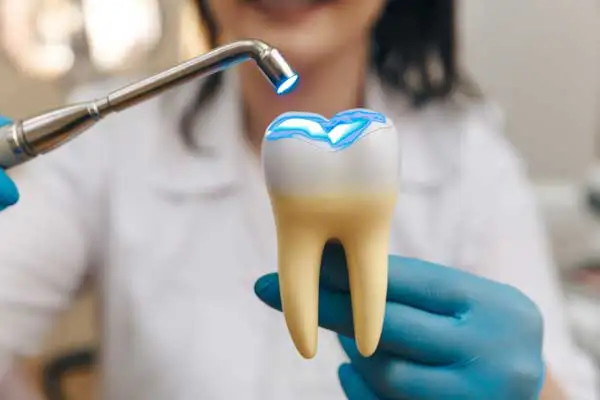 So, you just got a dental filling. That's great! You've taken a big step to protect your tooth. Dental fillings, a key part of restoration dentistry, help fix damage caused by cavities. But sometimes, things don't feel quite right after the procedure. Let's talk about some common issues you might experience after getting a filling and what you can do about them. So, you just got a dental filling. That's great! You've taken a big step to protect your tooth. Dental fillings, a key part of restoration dentistry, help fix damage caused by cavities. But sometimes, things don't feel quite right after the procedure. Let's talk about some common issues you might experience after getting a filling and what you can do about them.
Sensitivity is Normal, Usually
It's pretty common to have some tooth pain or sensitivity after getting a filling. Your tooth might feel sensitive to hot, cold, or sweet things. This usually happens because the nerve inside your tooth is a little irritated. Think of it like a sunburn on your tongue after eating too much citrus.
What can you do? Usually, this sensitivity goes away on its own in a few days or weeks. You can try using toothpaste designed for sensitive teeth. Avoid very hot, cold, or sugary foods and drinks during this time. If the sensitivity is severe or lasts longer than a few weeks, it's a good idea to call your dentist.
Sharp Edges or Uneven Bite
Sometimes, you might notice that your filling feels a little high or has a sharp edge. This can make your bite feel off, or you might even accidentally bite your cheek or tongue.
What can you do? Don't try to fix it yourself! Trying to file it down at home is a bad idea and can damage the filling or your tooth. Contact your dentist. They can easily adjust the filling to make it smooth and comfortable. It's a quick and painless fix.
Pain When Biting Down
If you feel pain when you bite down on your filling, it could mean a few things. It might be that the filling is too high, as mentioned before. It could also mean that your bite isn't quite even, putting too much pressure on that tooth.
What can you do? Again, see your dentist. They can check your bite and make any necessary adjustments to the filling. If the pain is severe or persistent, they might want to check for other issues, like a crack in the tooth.
Allergic Reactions (Rare)
In rare cases, people can have an allergic reaction to the materials used in dental fillings. Symptoms might include itching, rash, or swelling.
What can you do? If you experience any of these symptoms, contact your dentist or doctor immediately. They can help determine if you're having an allergic reaction and recommend appropriate treatment. It's always a good idea to let your dentist know about any known allergies before getting a filling.
When to Call Your Dentist
While some sensitivity is normal, there are times when you should definitely call your dentist after getting a filling. These include:
| • |
Severe pain that doesn't go away with over-the-counter pain relievers. |
| • |
Sensitivity that lasts longer than a few weeks. |
| • |
Sharp edges or an uneven bite that bothers you. |
| • |
Pain when biting down. |
| • |
Signs of infection, such as swelling, redness, or pus. |
| • |
Any allergic reaction symptoms. |
Taking care of your dental fillings is important for maintaining good oral health. By understanding these common post-filling problems and knowing when to seek professional help, you can ensure that your fillings last for many years to come and keep your smile healthy and happy.
|
|